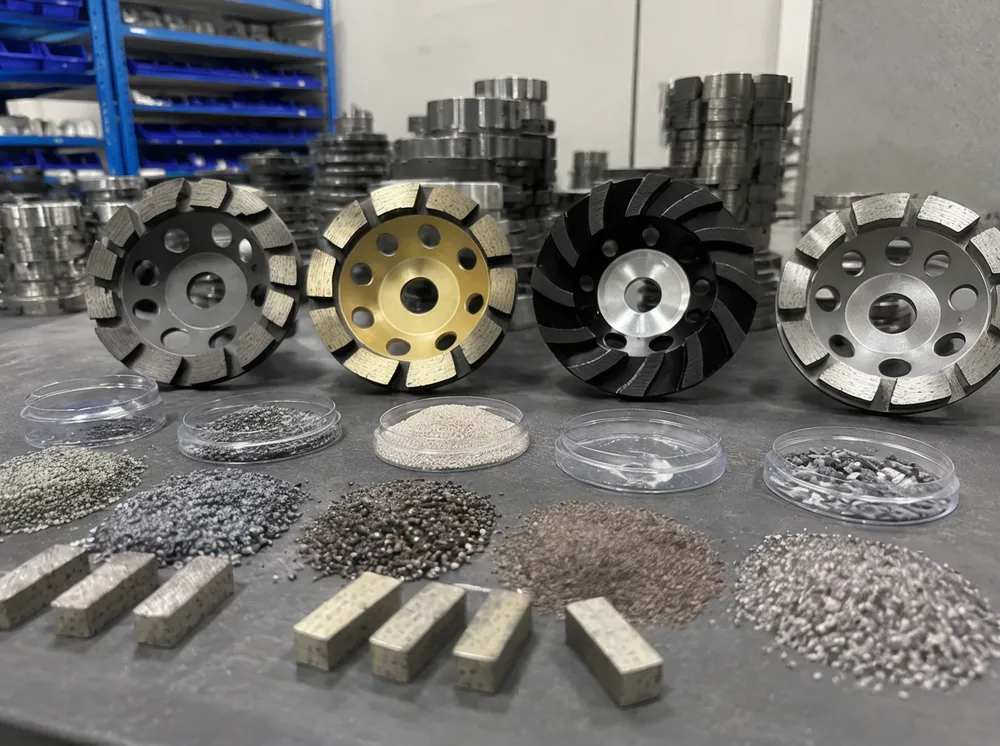
Diamond Cup Grinding Wheels Sintered In-House
Segment geometry and bond formula matched to your target material. Single-row, double-row, turbo, and arrow-segment configurations for concrete leveling, stone surface preparation, and coating removal.
From the same facility producing CLSEG's full diamond tool range. 20+ years diamond tool manufacturing. OEM/private label available. Typical response within 24 hours.
What This Product Is and Where It Sits in Your Lineup
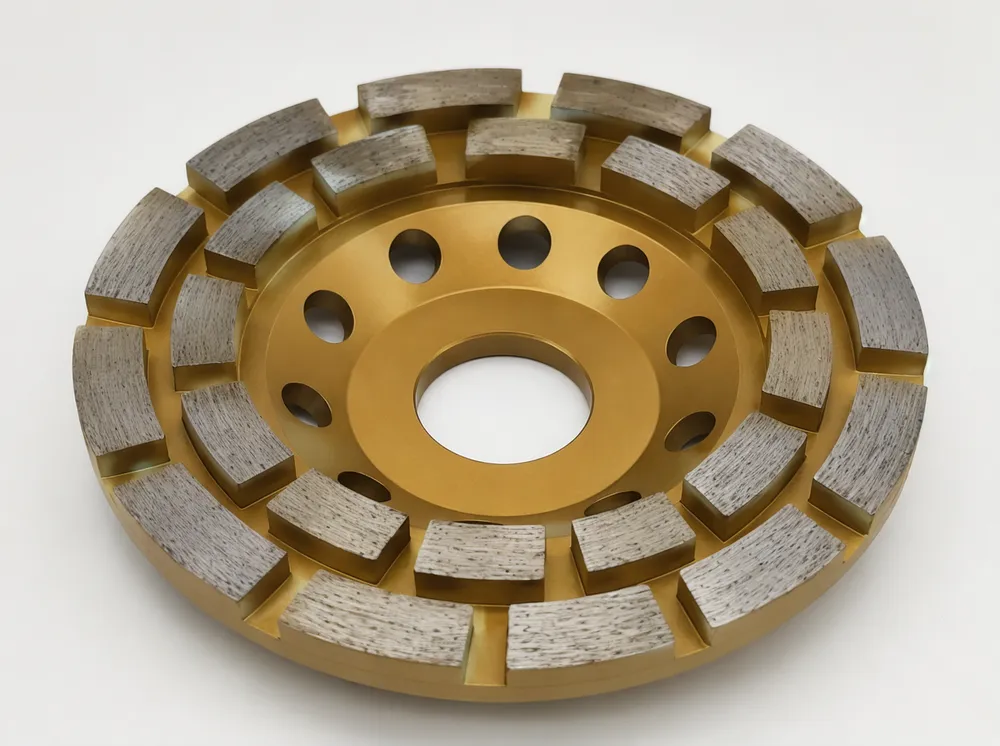
A diamond cup grinding wheel is a surface grinding tool designed for aggressive material removal — leveling concrete, smoothing stone slabs, removing coatings, and preparing substrates for finishing. The "cup" shape positions the diamond segments on the tool's face (not edge), so the grinding action happens flat against the work surface with a dedicated angular grinder or floor machine pressing down.
What separates our cup wheels from what fills most trading-company catalogs: we sinter the segments ourselves — same furnaces, same R&D team, same QC protocols we run for the full CLSEG diamond tool line. The bond formula is developed in-house and adjusted per target material, not purchased pre-made from a third-party segment supplier. That means when you tell us the cup wheel is going onto hard granite, or poured concrete with 20mm aggregate, or terrazzo overlay removal, the bond hardness and diamond concentration are specified to that job from the pressing stage forward.
Among our diamond grinding tools, the cup wheel line handles the rough work — material removal rates measured in mm of depth per pass, not microns. If you need finer surface finishing, our diamond grinding discs and stone surface grinding tools take over from where the cup wheel leaves off. If you're doing edge profiling or calibration grinding on slabs, our diamond grinding wheels are the better fit. The cup wheel's job is to move material fast and leave a surface ready for the next step.
Where Cup Wheels Sit in the CLSEG Grinding Range
Aggressive material removal. mm-depth per pass. Concrete leveling, coating removal, substrate prep.
Current PageFiner surface finishing. Takes over where the cup wheel leaves off.
Stone surface preparation and finish work. Micron-level control.
Edge profiling, calibration grinding on slabs. Peripheral contact.
Segment Configurations and What They Mean for Your Orders
We produce four segment geometries for diamond cup grinding wheels, and the choice isn't cosmetic — it directly affects removal rate, surface finish, and which end-use applications your customers can deploy them on.
Single-Row Cup Wheels
Finishing / Light LevelingOne ring of segments around the outer perimeter. Lighter weight, lower heat generation, smoother finish for the aggressiveness level. These suit finishing passes on stone, light leveling on concrete, and applications where the operator needs more control and less vibration.
Market fit: Popular with fabrication shop owners who do countertop edge cleanup and light surface correction.
- Lower vibration, more operator control
- Smoother finish relative to aggressiveness
- Lower heat generation
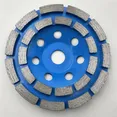
Double-Row Cup Wheels
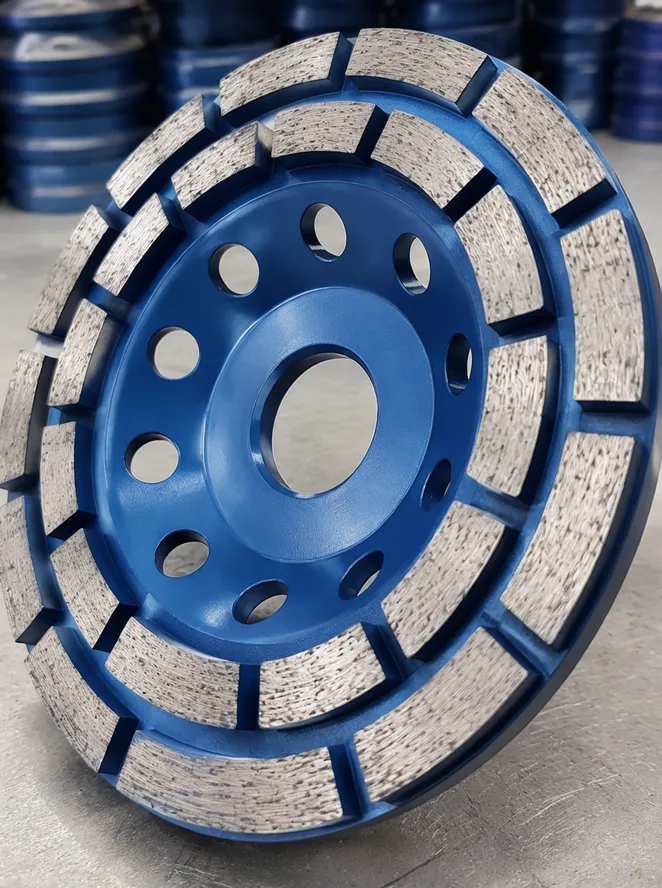
General Purpose / Volume DriverTwo concentric rings of segments. More diamond contact area means higher material removal per pass and longer tool life — the workload distributes across twice the segment surface. These are your general-purpose concrete grinders: floor prep, paint and coating removal, surface leveling before epoxy or tile installation.
Market fit: The double-row configuration is the volume driver in most distributors' inventory because it covers the broadest range of applications.
- Higher material removal per pass
- Longer tool life — distributed workload
- Broadest application coverage
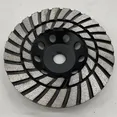
Turbo Cup Wheels
Hard Materials / Heavy DustContinuous turbo-style segment ring with angled channels cut into the face. The channels serve as chip clearance paths — ground material evacuates faster, so the wheel doesn't load up and glaze over during aggressive cuts. Best performance on hard concrete and granite where dust generation is heavy.
Trade-off: Higher removal rate than double-row in hard materials, but slightly rougher surface texture.
- Chip clearance prevents glazing
- Higher removal rate in hard materials
- Hard concrete and granite specialist
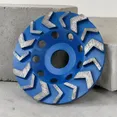
Arrow-Segment Cup Wheels
Coatings / Adhesives / Soft ConcreteArrow-shaped segments arranged in a directional pattern. The geometry creates a scraping action that excels at removing soft coatings, epoxy, mastic, glue residue, and thin-set from concrete substrates. On softer concrete, the arrow design prevents the segments from digging in too aggressively.
Market fit: Flooring contractors preparing substrates for new coatings. High demand in renovation and remodel markets.
- Scraping action for coating removal
- Won't over-cut soft substrates
- Renovation and remodel specialist
How to Help Your Customers Choose
If your buyers ask which configuration to stock, the answer depends on what their end users are grinding and what finish quality matters:
| Application | Recommended Segment | Why |
|---|---|---|
| Concrete floor leveling | Double-Row | Balance of removal rate and surface quality |
| Hard concrete / granite grinding | Turbo | Chip clearance prevents loading on hard materials |
| Paint / epoxy / adhesive removal | Arrow-Segment | Scraping geometry strips coatings without substrate damage |
| Stone countertop finishing | Single-Row | Low vibration, controlled removal for precision work |
| General contractor use (mixed jobs) | Double-Row | Covers the widest variety of substrates and tasks |
Standard Sizes and Specifications We Manufacture
These are the standard configurations we hold tooling for. Custom diameters, segment heights, arbor configurations, and bond modifications are available on request with no tooling surcharge above 200-piece orders.
| Diameter | Segment Height | Arbor / Connection | Available Segments | Typical Machine |
|---|---|---|---|---|
| 4" / 100mm | 20mm – 25mm | 5/8"-11, M14 | Single-Row, Double-Row, Turbo | 4" / 5" angle grinder |
| 4.5" / 115mm | 20mm – 25mm | 5/8"-11, M14 | All four types | 4.5" angle grinder |
| 5" / 125mm | 20mm – 30mm | 5/8"-11, M14, 22.23mm | All four types | 5" angle grinder |
| 7" / 180mm | 20mm – 30mm | 5/8"-11, M14, 22.23mm | Double-Row, Turbo, Arrow | 7" angle grinder, small floor grinder |
| 9" / 230mm | 25mm – 30mm | 5/8"-11, 22.23mm | Double-Row, Turbo, Arrow | 9" grinder, floor grinder |
Grit Range
Standard grits: #16, #20, #30, #60, #80, #120. Coarse grits (16–30) for aggressive removal. Medium (60–80) for general grinding. Fine (120) for finishing passes.
Bond Options
Soft bond for hard materials (high-PSI concrete, granite). Medium bond for general concrete. Hard bond for soft/green concrete and abrasive materials like asphalt.
Segment Count
Varies by diameter and type. 4" single-row: 4–6 segments. 7" double-row: 12–16 segments. More segments = smoother cut, slower removal. Fewer = more aggressive.
Bond Matrix — Matching Hardness to Substrate
The bond is the metal matrix that holds the diamond particles. It controls how fast diamonds are exposed and released. Getting this wrong means either premature glazing (bond too hard for the material) or rapid segment wear (bond too soft). Here's how we spec it:
Soft Bond
Matrix wears faster, exposing fresh diamonds continuously. Designed for hard, dense, non-abrasive materials that would otherwise polish (glaze) the segment face.
Use on:
- Hard concrete (6,000+ PSI)
- Granite and engineered stone
- Terrazzo
- Dense aggregate concrete
Medium Bond
Balanced wear rate. The default starting point when the exact concrete hardness is unknown. Covers the majority of residential and commercial floor grinding jobs.
Use on:
- Standard concrete (3,500–5,500 PSI)
- General floor prep
- Unknown substrates (safe default)
- Mixed-hardness slabs
Hard Bond
Matrix resists wear, holding diamonds longer. Needed for soft, abrasive materials that would otherwise eat through segments prematurely. Slower diamond exposure but much longer life.
Use on:
- Soft / green concrete (under 3,000 PSI)
- Asphalt
- Sandstone and soft natural stone
- Abrasive aggregate (sand-heavy mix)
For distributors: If you're unsure which bond to recommend for a customer's market, medium bond is the safe starting inventory. We can ship mixed bond pallets — soft, medium, and hard in the same SKU diameter — so you can test all three with your customer base before committing to volume on a single bond.
Manufacturing Process — How We Build These
Understanding how cup wheels are manufactured helps you evaluate quality differences between suppliers. Here's our process from raw material to packaged product:
Diamond Selection & Grading
Industrial diamonds graded by mesh size, shape, and friability. We source from established suppliers with consistent supply — no batch-to-batch variation that affects tool performance.
Metal Powder Mixing
Diamond particles mixed with metal bond powders (cobalt, iron, copper, tin — ratio depends on target hardness). Automated mixing ensures uniform diamond distribution throughout the segment.
Cold Pressing
Mixed powder pressed into segment shape at room temperature. Creates a "green" compact that holds its form but hasn't yet achieved full density or bond strength.
Hot Press Sintering
Segments heated under pressure (700–900°C). Metal powders fuse together around diamond particles, creating the final bond matrix. Temperature and pressure profiles are controlled per bond recipe.
Brazing / Welding to Body
Sintered segments silver-brazed or laser-welded to the steel cup body. Laser welding provides higher segment retention for high-RPM applications. Brazing is standard for most hand-grinder sizes.
Balancing & QC
Finished wheels checked for runout, balance, segment height uniformity, and bond integrity. Unbalanced wheels vibrate at speed, damage bearings, and produce uneven grinds. Every wheel is tested.
What Separates Quality from Commodity
Consistent diamond concentration
Cheap wheels have uneven diamond distribution — hot spots that wear fast, dead spots that don't cut. Automated mixing and press calibration eliminate this.
Segment retention under load
Segments that detach at speed are a safety hazard. Laser welding and silver brazing quality directly correlate with the joint's shear strength at operating RPM.
Body steel quality
The steel cup must resist deformation under side-loading. Low-quality bodies flex, causing uneven segment wear and premature failure. We use heat-treated steel bodies.
Batch traceability
Every production batch is traceable to specific diamond lots, bond recipes, and sintering parameters. If a performance issue arises, we can identify root cause and correct.
Application Guide — What Gets Ground With What
Your customers have specific jobs. Here's a cross-reference so you can match their application to the correct cup wheel configuration, bond, and grit without guesswork.
Concrete Floor Leveling
Removing high spots, trip hazards, and form marks from poured concrete. Typically 1–3mm material removal depth.
Coating & Glue Removal
Stripping epoxy, paint, mastic, tile adhesive, or carpet glue from concrete substrate before recoating or polishing.
Surface Prep for Polishing
Initial grind before progressing through polishing steps. Goal is a flat, uniform scratch pattern without deep gouges.
Thinset & Mortar Removal
Grinding off residual thinset after tile demolition. Notched thinset ridges require aggressive stock removal without digging into the slab.
Stone Shaping & Profiling
Countertop fabrication, monument work, and architectural stone shaping. Grinding granite, marble, or engineered stone surfaces and edges.
Masonry & Block Grinding
Smoothing CMU block walls, cleaning mortar joints, and leveling brick or block surfaces before parge coating or waterproofing.
Stocking strategy: Concrete floor leveling and coating removal account for roughly 70% of cup wheel demand in the North American market. If you're building initial inventory, start with double-row medium bond in 20/25 and 30/40 grit — those two SKUs cover most customer needs.
OEM & Private Label Options
Most of our distributor partners sell under their own brand. We manufacture the product; your label goes on it. Here's what's available for custom branding and packaging:
Custom Labeling
- Your brand name laser-etched on steel body
- Custom color coating on cup body (minimum 500 units)
- Spec printing: grit, bond, diameter, max RPM
- Barcode/UPC placement per your catalog system
Custom Packaging
- Individual branded boxes or blister packs
- Multi-pack sets (3-pack, 5-pack, mixed grit kits)
- Display-ready packaging for retail shelf placement
- Master carton labeling with your part numbers
Custom Specifications
- Non-standard segment counts or layouts
- Specific arbor configurations for regional machines
- Adjusted diamond concentration for niche applications
- Segment height variations (economy vs. premium lines)
Minimum Order Quantities
100 units per SKU
500 units per SKU
1,000 units per SKU (tooling amortization)
Ordering & Logistics
Practical details for planning orders. We ship from our Zhejiang facility to major ports worldwide, with established freight lanes to North America, Europe, and Oceania.
Lead Times
Shipping Options
Payment Terms
- First order: 30% deposit, 70% before shipment (T/T)
- Established accounts: Net 30 after 3rd order
- L/C at sight accepted for orders over $10,000
- Trade credit insurance available for volume accounts
Sample Program
- 2–3 sample units per SKU at product cost (no markup)
- Air-shipped via DHL/FedEx (3–5 day delivery)
- Sample cost credited against first production order
- Competitor matching: send us a wheel to benchmark against
Frequently Asked Questions
Common questions from distributors evaluating diamond cup wheel suppliers. If yours isn't here, reach out — we respond within one business day.
What's the difference between a cup wheel and a grinding disc?
A cup wheel has diamond segments on a raised rim — only the face contacts the work surface. A grinding disc is flat and uses the entire face. Cup wheels are designed for surface grinding (parallel to the surface), while flat discs can also cut into edges. Cup wheels remove more material faster on flat surfaces because of better segment exposure and dust clearance between segments.
Can I mix different SKUs in one order?
Yes. We have no single-SKU minimums on standard products. Your total order just needs to meet the overall MOQ (typically 100 total units). You can mix diameters, grits, bonds, and segment styles within one shipment. For custom-labeled orders, we need 100 per SKU because of the label setup cost.
Do you sell direct to end users in my market?
No. We are a manufacturing partner, not a competing brand. We do not sell direct to contractors or retail in any market where we have a distribution partner. Your territory exclusivity is contractually protected once we establish a partnership agreement.
What certifications do your products carry?
All cup wheels are manufactured to EN 13236 safety standards and rated for maximum RPM per diameter. We hold ISO 9001:2015 for quality management and can provide MPA test reports on request. For specific market certifications (oSa, ANSI B7.1), we work with you to ensure compliance documentation is in order before shipment.
How do you handle quality issues or returns?
Every batch is inspected before shipment with dimensional checks, segment hardness testing, and balance verification. If a quality issue occurs in the field, send us photos and a description — we'll issue replacements on the next shipment or credit your account. For systemic issues, we conduct root cause analysis and share the report with you within 10 business days.
Can you match a competitor's product specification?
In most cases, yes. Send us the product (or detailed specs including segment dimensions, diamond concentration, bond type, and intended application) and we'll produce a matched sample within 2–3 weeks. We'll also suggest improvements based on our testing if we see opportunities for better performance or cost optimization.
Ready to Discuss Your Cup Wheel Requirements?
Whether you need standard products under your label or a fully custom specification, we'll provide samples and pricing within 48 hours of your inquiry.
Technical Specifications: Diamond Cup Grinding Wheel Range
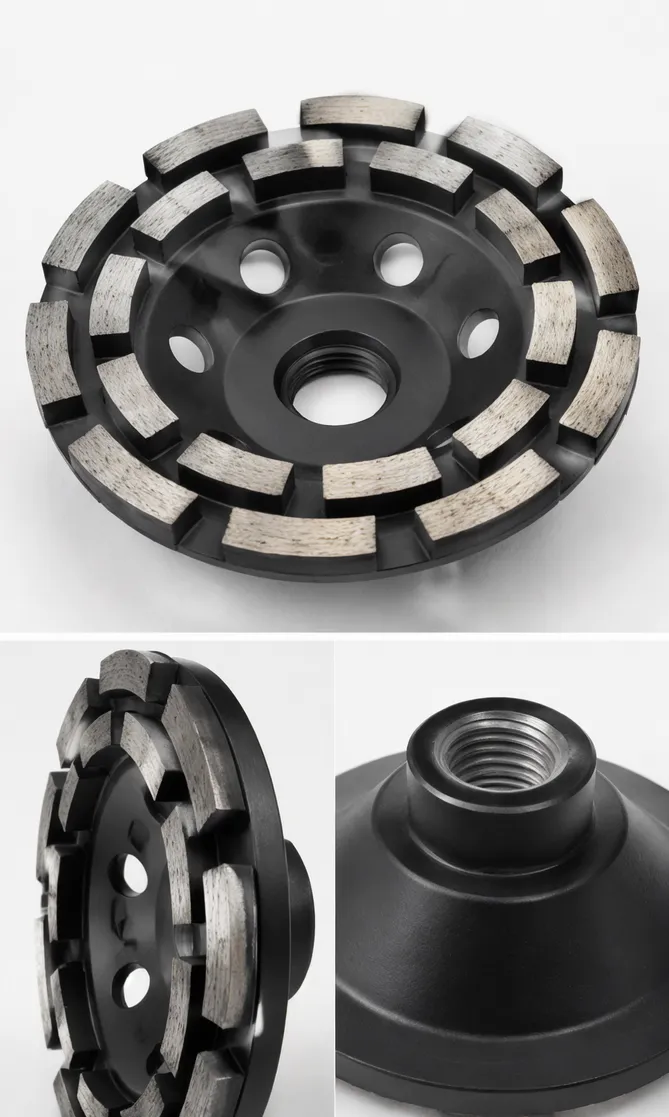
| Parameter | Available Range |
|---|---|
| Diameter | 100 mm, 115 mm, 125 mm, 150 mm, 180 mm |
| Segment height | 10 mm – 30 mm (standard: 15 mm, 20 mm) |
| Segment count | 6 – 24 (varies by diameter and configuration) |
| Segment type | Single-row, double-row, turbo, arrow |
| Bond type | Metal-bonded (cobalt, iron-cobalt, bronze matrix) |
| Diamond grit | 16#, 30/40#, 50/60#, 80/100#, 120/150# |
| Thread connection | M14, 5/8"-11, 7/8"-5/8 adapter |
| Max RPM | 9,000 – 12,000 (diameter-dependent) |
| Target materials | Concrete, granite, marble, terrazzo, stone composite, coating/epoxy |
Specifications shown are standard production ranges. Custom diameters (up to 250 mm for floor machines), non-standard segment heights, and specific diamond concentrations are available on request. Contact us for a detailed data sheet matching your application.
Thread Connection & Regional Inventory
The thread connection matters for your inventory planning. M14 dominates European and Asian markets; 5/8"-11 is standard in North America and Australia. We produce and stock both — if you distribute across multiple regions, specify your market split and we pack accordingly within a single order. No minimum per thread type.
How We Sinter These Segments — And Why It Affects Your Margin
Most diamond cup wheels on the market come from assemblers: they buy pre-sintered segments from one source, steel bodies from another, braze them together, and ship. The problem for your business is that when a batch underperforms — glazes too fast, loses segments, wears unevenly — the assembler can't diagnose whether the fault is in the diamond quality, the bond formula, the sintering profile, or the brazing technique. They just send a replacement and shrug.
We control the process from powder mixing through finished tool. Here's what that looks like specifically for cup wheel segments:
Powder Mixing & Cold Pressing
The bond powder — a blend of cobalt, iron, copper, and proprietary additives — is mixed with diamond grit in ratios calibrated to the target stone or concrete hardness. We press segments in automated cold-press machines that deliver uniform density across every segment in the batch. Pre-weighed charges ensure the diamond concentration doesn't drift from segment to segment within a single cup wheel.
Why this matters: Uneven concentration is the root cause of the "one segment wears faster than the others" problem that plagues cheap cup wheels.
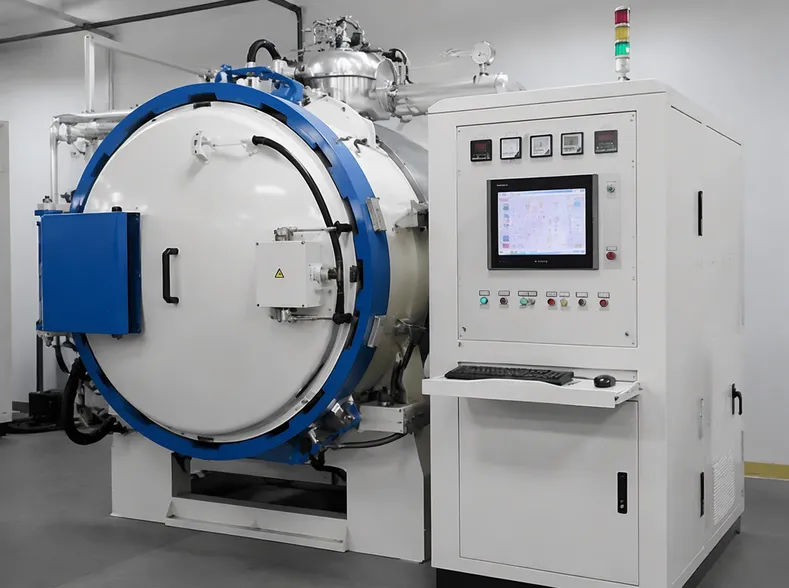
Programmable Sintering
Sintering happens on programmable furnaces with controlled temperature ramps and hold times specific to each formula. We track Rockwell B hardness on sample segments from every batch.
Acceptable variance: ±2 HRB. If a batch drifts beyond this tolerance, it doesn't ship.
Automated Silver Brazing
After sintering, segments get silver-brazed to machined steel bodies on our automated brazing line. Consistent filler metal flow and temperature control produce joint strengths that exceed the operational forces a cup wheel encounters during normal grinding.
Every finished wheel receives a tap test and visual inspection on the joint line before packaging.
Batch Consistency Tracking
We track batch-to-batch consistency metrics specifically because one of our Middle Eastern distributors runs the same cup wheels across 30+ contractor accounts. If batch 47 performed differently from batch 46, he'd hear about it from 30 directions at once.
Track record: That hasn't happened.
What This Means on Your P&L
- Consistent performance batch to batch — your customers don't call you six months into the relationship saying "the last shipment was different."
- Predictable tool life — your customers can budget their consumable costs with confidence.
- Predictable reorder cycles — your inventory turns are clean and forecasting becomes reliable.
Market Segments Where Cup Wheels Move Volume
Each segment configuration maps to specific end-use markets. Understanding which applications drive volume helps you stock the right mix and pitch to the right customer base.
Concrete Floor Preparation
Largest Volume Segment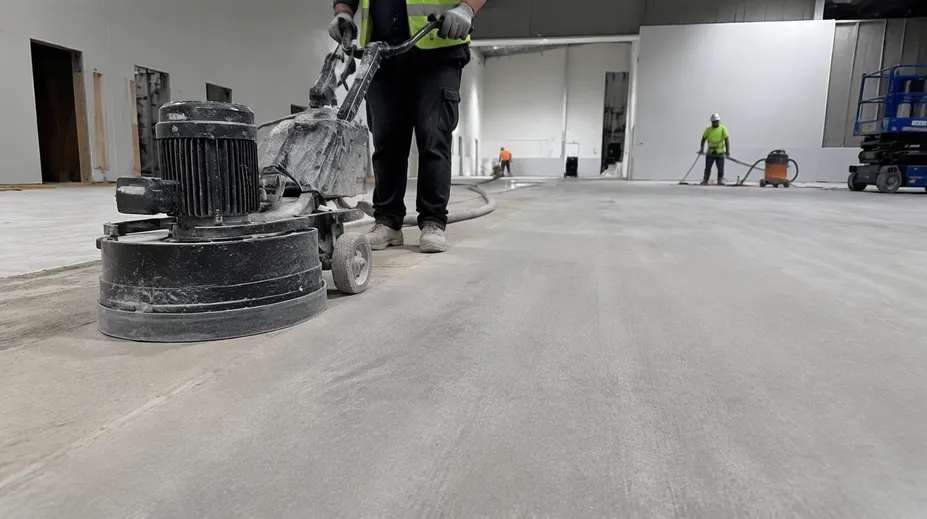
The single largest volume segment for diamond cup grinding wheels globally. Commercial construction, warehouse renovation, residential garage coating — any project that needs a concrete surface leveled, cleaned, or profiled before the next layer goes down.
Consumption rate: A single 500 m² commercial floor project burns through 6–12 cup wheels depending on concrete hardness and coating thickness. Floor contractors buy from local distributors who can deliver same-day — your stock depth directly correlates with whether you get the sale or they call your competitor.
Stone Fabrication & Countertop Processing
Daily Consumable
Fabrication shops use cup wheels for slab edge grinding, surface leveling on cut pieces, and cleanup work after bridge saw cuts. The cup wheel is a daily consumable — not a capital purchase — so your repeat business is built into their operations.
Consumption rate: A mid-sized countertop shop runs through 5–15 cup wheels per month depending on volume and stone type.
Coating & Adhesive Removal
Growing Market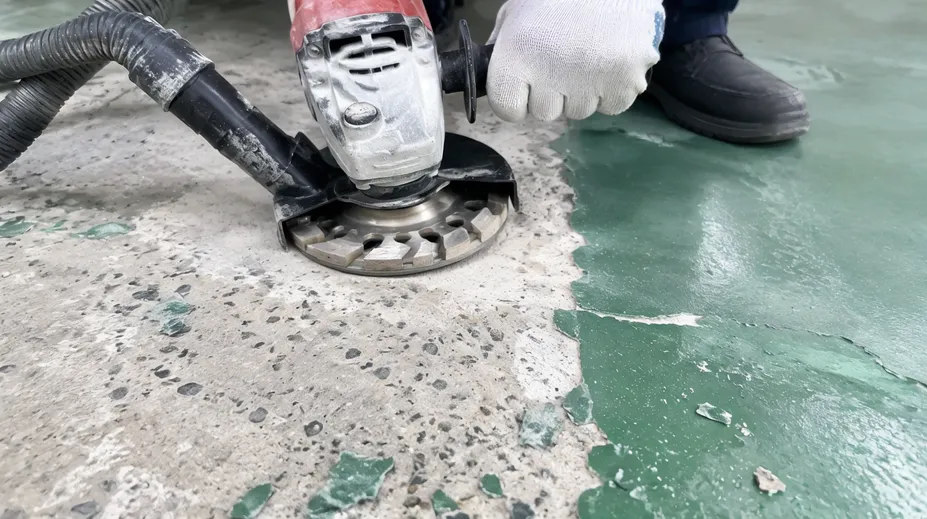
Epoxy coatings, mastic, paint, thin-set mortar — any material bonded to concrete that needs to come off before a new surface can go down. This is a renovation and repurposing market, and it's growing as commercial spaces get recycled more frequently.
Why arrow-segment excels: The aggressive geometry rips through coatings without excessive heat buildup. Heat softens coatings and gums up segments — arrow geometry's chip clearance prevents that.
Masonry & Landscape Hardscape
Broad Demand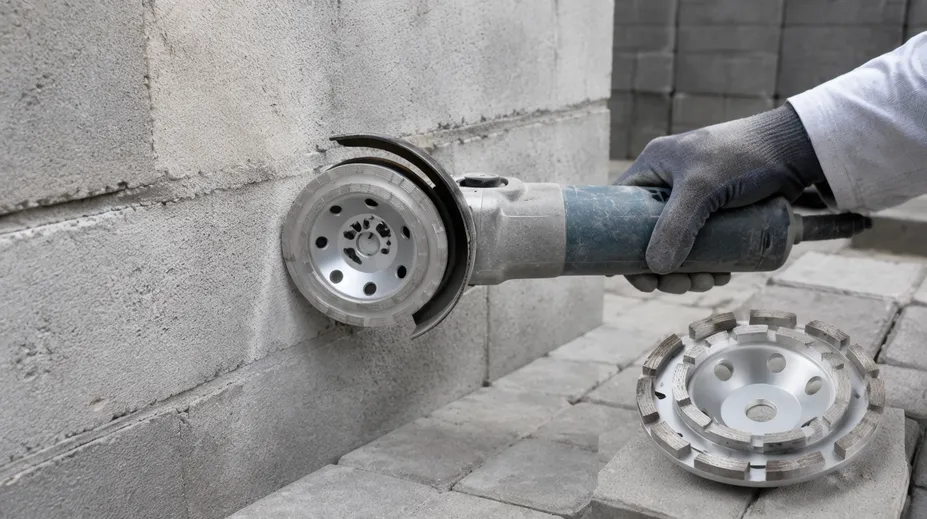
Block wall grinding, paver leveling, retaining wall face smoothing. Lower per-unit volume per job but broad geographic demand — every mason and hardscape contractor is a potential customer.
Dominant spec: Double-row cup wheels in 100–125 mm diameter dominate because they fit standard angle grinders that every trade worker owns.
Tell us your target market
We'll recommend the SKU mix that moves.
Customization: What We Can Adjust, What's Fixed
Adjustable Parameters
Diameter
Any standard size from 100–180 mm; custom sizes up to 250 mm for floor machine applications (MOQ applies for non-standard diameters)
Segment Height
10 mm through 30 mm in 5 mm increments — taller segments mean longer tool life per unit, which lets you position a premium SKU
Segment Geometry
Single-row, double-row, turbo, arrow, or custom patterns for specific applications
Bond Formula
Adjusted to target material — harder bond for abrasive materials (sandstone, soft concrete), softer bond for hard materials (granite, high-strength concrete)
Diamond Grit Size
16# through 150# — coarser for maximum removal, finer for smoother surface finish
Diamond Concentration
Standard, high, or extra-high depending on target life and aggressiveness balance
Thread Connection
M14, 5/8"-11, or other thread types to match your market's standard equipment
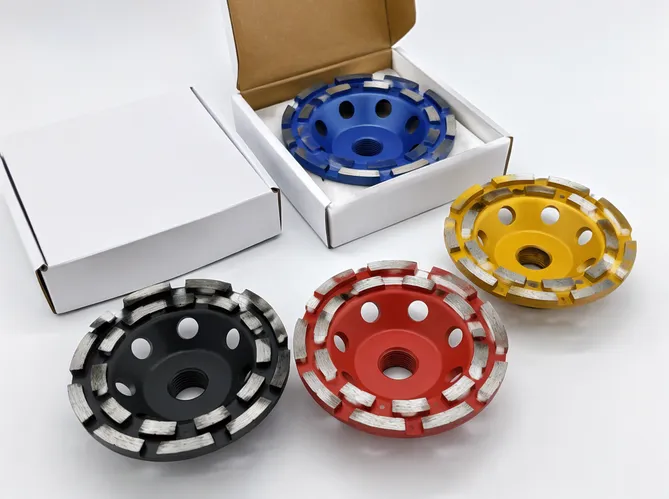
Color Coding
Custom paint or powder coat on the steel body to match your brand or indicate grit/application
Packaging
Your brand, your artwork, your SKU numbers — fully private-label ready
Fixed Constraints
Minimum segment height: 10 mm — below this the brazing joint doesn't have enough surface area for reliable retention
Maximum RPM is physics-limited by diameter — we won't spec a wheel to exceed safe operating speed regardless of customer request
Steel body material is fixed (hardened tool steel) — no aluminum or plastic alternatives for safety reasons
MOQ & Lead Time Impact
200 pcs
Standard Configurations
Double-row, 100–125 mm, M14 or 5/8"-11 thread
500 pcs
Custom Geometry / Non-Standard
Custom segment geometry or non-standard diameter — due to mold tooling
No Charge
Formula Adjustment
Tuning for a specific stone type is standard workflow — not a special service
Standard Configurations
20–30 days from order confirmation
Custom Specifications
25–35 days including sample approval
Reorders (Established Formula)
Typically 15–20 days
Staged Market Entry Approach
If you're testing a new market, start with 200 pieces of a standard configuration in your brand packaging. Once you have sell-through data, we'll fine-tune the formula and segment geometry based on your customers' feedback. This staged approach protects your initial investment while we dial in the exact spec your market wants.
Packaging, Container Loading, and Landed-Cost Considerations
Why Cup Wheels Ship Efficiently
Diamond cup grinding wheels are compact and heavy for their size — which means container loading efficiency is high, and your per-unit freight cost stays manageable even on smaller orders.
Standard Packaging
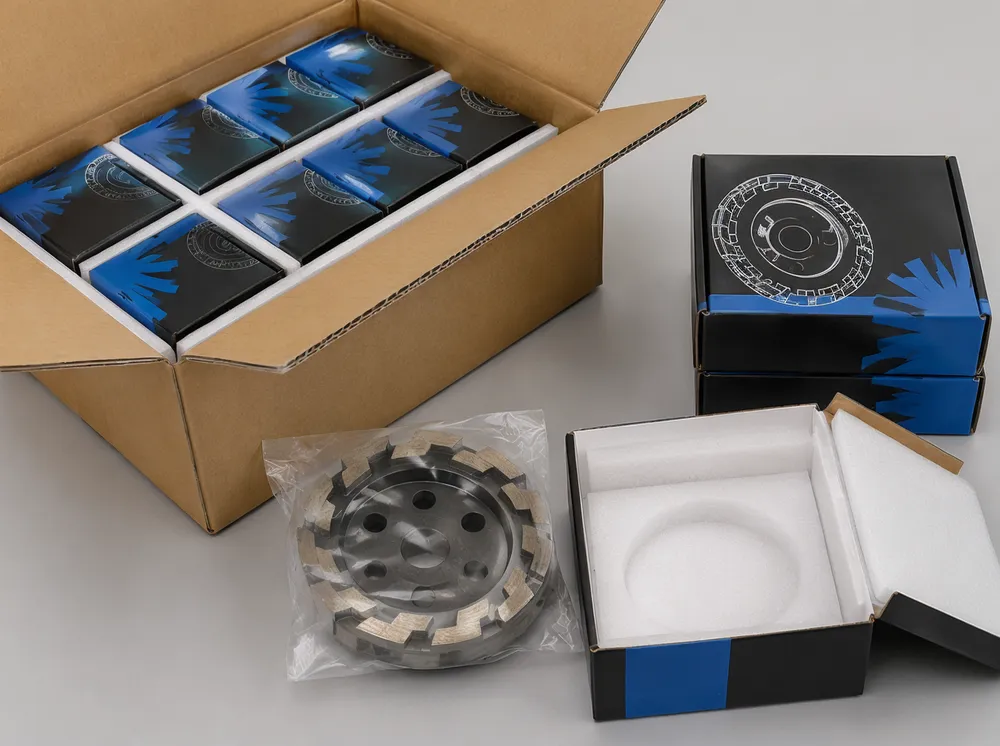
- Individual color boxes (branded with your artwork or CLSEG standard), packed into master cartons of 10–20 pieces depending on diameter
- Foam separators between layers prevent segment contact damage
- Moisture-barrier bags on all export orders for ocean freight protection
Container Loading Reference
Approximate piece counts — standard carton packing
| Diameter | Pieces per 20GP | Pieces per 40HQ |
|---|---|---|
| 100 mm | ~8,000 | ~16,000 |
| 125 mm | ~6,000 | ~12,000 |
| 180 mm | ~3,500 | ~7,000 |
If you need display-ready retail packaging (blister packs, hanging cards), piece count per container drops but your per-unit shelf value goes up. We handle both industrial bulk and retail presentation packaging.
Landed Cost Factors to Consider
Cup wheels ship at favorable freight rates relative to their unit value — a single 20GP container of 125 mm double-row cup wheels represents meaningful inventory value on a modest freight bill. If you're currently sourcing 500–1,000 pieces at a time via air or LCL, consolidating into a full container order drops your per-unit logistics cost significantly.
Frequently Asked Questions
What diamond grit size should I specify for a cup grinding wheel on concrete vs. granite?
For concrete floor prep (leveling, coating removal), 30/40# or 50/60# delivers the removal rate contractors need without excessive segment wear.
For granite surface grinding, go finer — 80/100# or 120/150# — because the stone is harder and non-abrasive, so finer grit produces a usable surface finish without wasting the aggressive coarse diamonds on material that doesn't wear them effectively.
If you're stocking for a mixed customer base, 30/40# and 80/100# as your two core grits covers the majority of applications.
How does segment height affect tool life and pricing on diamond cup wheels?
Segment height is directly proportional to grinding life — a 20 mm segment lasts roughly twice as long as a 10 mm segment of the same formula, assuming consistent wear rate. Taller segments cost more per unit (more diamond and bond material) but deliver lower cost per square meter ground.
For price-sensitive markets, stock 10–15 mm segments as your entry level.
For professional accounts who track total cost of ownership, position 20–25 mm segments as the premium option with longer replacement intervals.
Single-row vs. double-row diamond cup wheels — which should I stock?
Stock both, but weight your inventory toward double-row. Double-row handles a broader application range (concrete leveling, coating removal, general grinding) and suits the majority of end users.
Single-row fills a niche for lighter finishing work on stone surfaces and situations where the operator needs less aggressive stock removal.
If you have to pick one to start with, double-row in 125 mm diameter is the single highest-volume SKU across most markets.
Can you produce diamond cup grinding wheels for floor grinding machines (not angle grinders)?
Yes. Floor machine cup wheels use larger diameters (150–250 mm), different attachment systems (bolt-on plates, Lavina/HTC/Husqvarna compatible fittings), and typically heavier segment loading. We produce these as well — specify your machine brand and model, and we'll match the fitting and recommend the segment configuration.
MOQs are slightly higher for non-standard fittings due to base plate tooling.
What causes diamond cup wheel segments to detach during use, and how do you prevent it?
Segment loss is almost always a brazing failure — insufficient filler metal penetration, incorrect brazing temperature, or contamination on the bonding surfaces.
We prevent it through:
- Automated brazing with controlled temperature profiles
- Pre-treatment of all bonding surfaces (grinding + chemical cleaning before brazing)
- Post-production tap testing on every wheel
In 20+ years of production, segment detachment on cup wheels operated within rated RPM is effectively zero in our warranty records. If you're comparing suppliers, ask them about their brazing process — it's the joint that keeps the diamond where it belongs.
What is the MOQ for private-label diamond cup grinding wheels?
200 pieces per SKU for standard configurations. This includes your brand packaging (you supply artwork, we produce the packaging) and formula matched to your specified application.
If you need custom segment geometry or non-standard diameter, minimum is 500 pieces per SKU.
No separate R&D fee for formula adjustment — tell us the target material and we specify the bond accordingly.
Start With Your Material, Not Our Catalog
Tell us what your customers are grinding — the substrate, the equipment, the job type. We'll recommend the segment geometry, bond formula, and grit grade that fits, then quote your quantity.
If you're currently sourcing cup wheels from another supplier and want to compare, send us a sample or detailed specs — we'll match or improve it within 15–20 days.
Building a Cup Wheel Line for Distribution?
Most of our distributors start with 4–6 SKUs: two diameters × two or three segment types, covering the applications their customer base actually uses. We'll suggest a starter mix based on your market, then expand as you identify which configurations move fastest.
- 2 diameters × 2–3 segment types as a starter range
- Market-specific mix recommendations included
- Expand based on real sell-through data