

Diamond Grinding Discs Factory Direct from CLSEG
Flat diamond grinding discs sintered in-house — metal-bonded and resin-bonded, coarse through fine, for surface preparation and sequential finishing work.
Consistent grit gradation, formula-matched bond hardness, and arbor compatibility for both hand-held grinders and floor machines — in one factory source.
- OEM / Private Label Supported
- Metal & Resin Bond Options
- Grit 30/40 through 400
- M14 & 5/8"-11 Arbor Threads
What This Disc Does and Where It Fits the Process
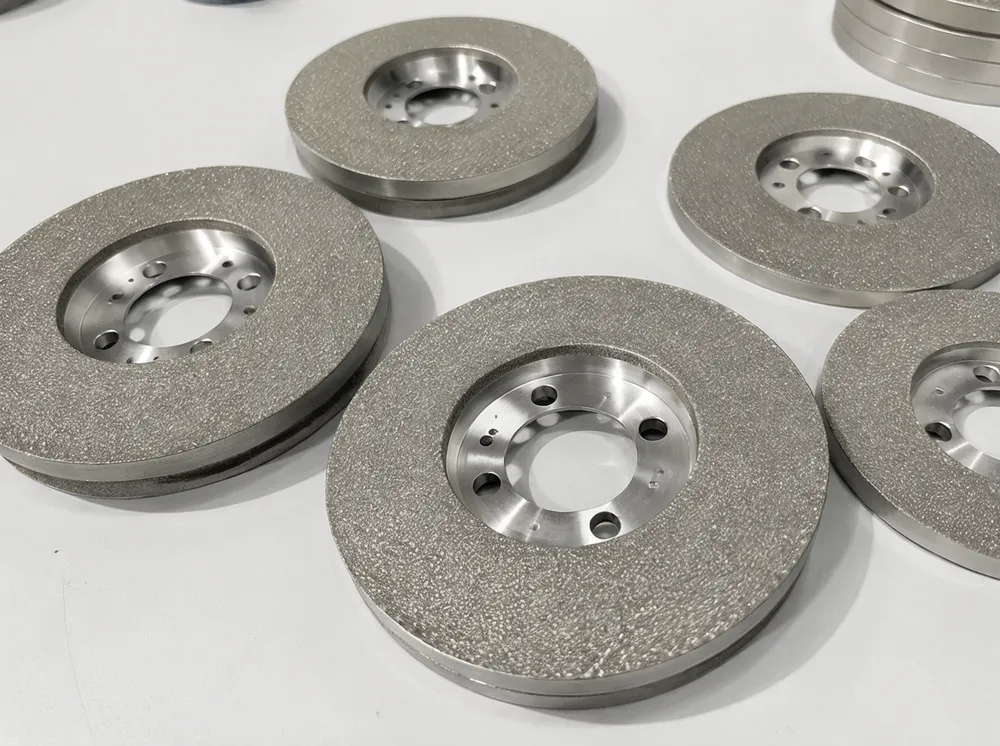
A diamond grinding disc is a flat abrasive disc — metal-bonded or resin-bonded — used on angle grinders and floor machines for surface preparation, leveling, coating removal, and sequential finish grinding. In a stone or concrete processing workflow, it sits between the saw blade and the polishing pad: after primary cutting, before the final polish.
That positioning matters for how you evaluate the product. A disc that's right for aggressive concrete coating removal (coarse grit, hard steel body, high bond erosion resistance) is wrong for the honing stage on a marble countertop (fine grit, softer resin bond, controlled scratch depth). We make both — and the bond formula is different in each case, not just the grit number printed on the label.
Our diamond grinding discs cover grit grades from 30/40 (coarse stock removal) through 400 (pre-polish surface prep), in diameters from 100 mm to 300 mm, with M14 and 5/8"-11 arbor threads. They fit the standard angle grinders and floor grinding machines your customers are already running. If you're sourcing for a distribution business, that compatibility matters: you're not asking your buyers to change equipment, just to switch to a better abrasive source.
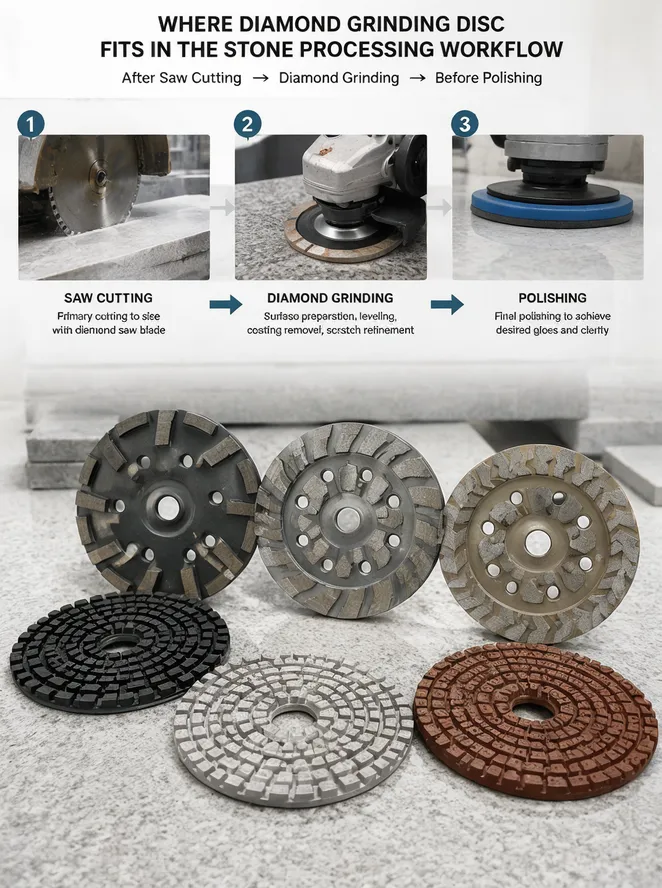
Workflow Position
Coarse Grit, Metal Bond
Hard steel body, high bond erosion resistance. Right for aggressive concrete coating removal and heavy stock leveling.
Fine Grit, Resin Bond
Softer resin bond, controlled scratch depth. Designed for the honing stage on marble, granite countertops, and engineered stone.
Technical Specifications
Standard values for the diamond grinding disc product range. Exact parameters vary by configuration — contact us for a detailed data sheet on your specific requirements.
| Parameter | Specification |
|---|---|
| Diameter | 100 mm, 115 mm, 125 mm, 150 mm, 180 mm, 230 mm, 300 mm |
| Arbor / Thread | M14 (standard), 5/8"-11 (North America) |
| Bond Type | Metal-bonded (sintered), Resin-bonded |
| Grit Size — Metal Bond | 30/40, 50/60, 80/100, 120/150, 200/400 |
| Grit Size — Resin Bond | 50, 100, 200, 400 |
| Segment / Disc Body | Continuous rim, Segmented rim, Turbo segment |
| Steel Body Thickness | 3.0 mm – 6.0 mm (varies by diameter) |
| Max Operating Speed | 80–115 m/s (see label per diameter) |
| Compatible Equipment | Angle grinders (115–230 mm), Floor grinders (230–300 mm) |
| Application Materials | Granite, marble, limestone, engineered quartz, concrete, terrazzo, ceramic tile |
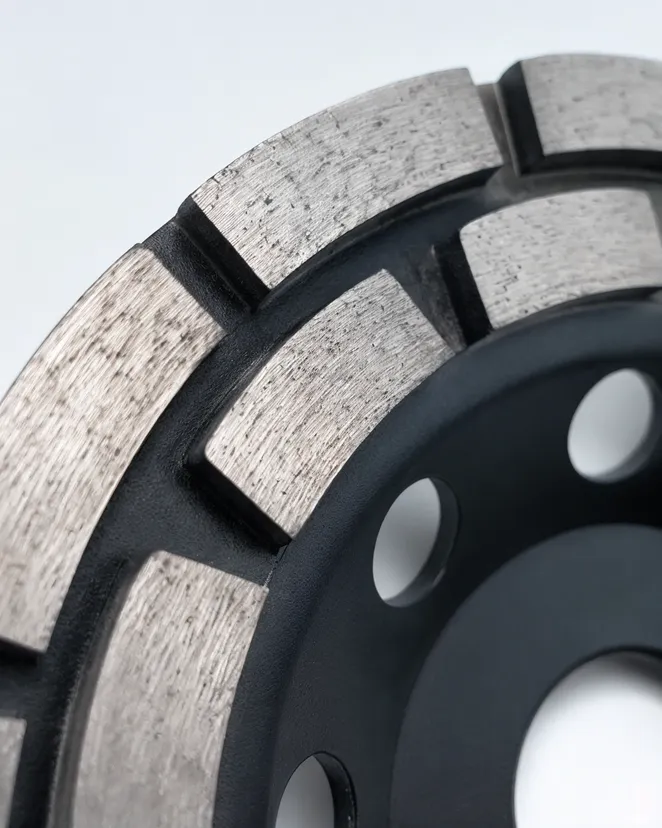
Arbor Thread Note
If you're distributing across both European and North American markets, specify your split when ordering — we pack M14 and 5/8"-11 separately within the same container without a per-thread minimum.
Need Exact Specs?
Specifications shown are standard values for this product range. Contact us for a detailed data sheet on your specific configuration requirements.
Request Data SheetBond Type Selection: Where Most Buyers Get This Wrong
This is the specification decision that most directly determines whether your downstream customers are satisfied or returning product. The grit number gets most of the attention, but the bond type is what controls tool life, surface finish quality, and cost per square meter processed.
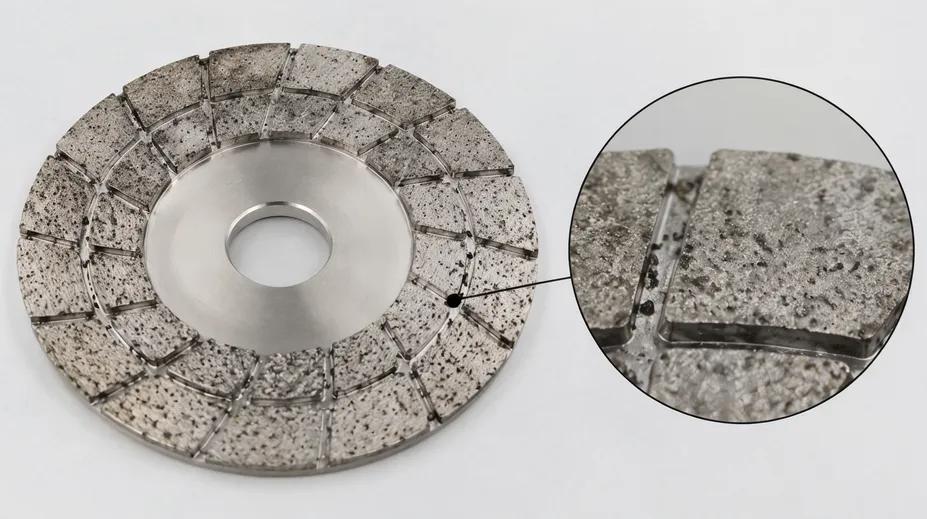
Metal-Bonded Discs
Use a sintered metal matrix to hold the diamond crystals. The bond is hard, wear-resistant, and suited for aggressive stock removal.
Primary Applications
- Concrete surface prep
- Coating and adhesive removal
- Initial leveling of uneven stone or tile
- Calibration passes on slabs
Performance Characteristics
Metal-bonded discs handle high pressure without deforming. They last significantly longer than resin-bonded discs under heavy load, which makes the per-piece cost misleading: the relevant number is square meters processed per disc, not purchase price.
Bond Hardness Calibration
- Hard stone (granite, engineered quartz) → softer bond matrix so the metal erodes gradually and exposes fresh diamond edges. If the bond is too hard, the diamond glazes over and the disc stops cutting.
- Soft, abrasive stone (marble, limestone) or concrete with high aggregate → harder bond to prevent the matrix from eroding too quickly.
Our R&D center has tested bond compositions against a library of stone and concrete types accumulated over 15+ years. When you specify your application material, we match the formula. We don't offer one metal-bonded disc and call it universal.
Resin-Bonded Discs
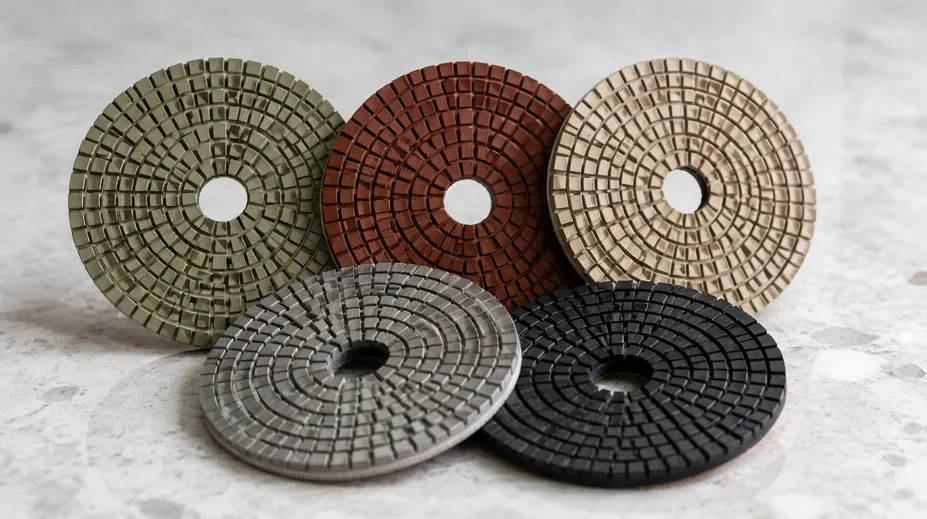
Use a phenolic or polyimide resin matrix — softer, more flexible, and capable of much finer finishes. These are for the honing and pre-polish stages.
Primary Applications
- Honing and pre-polish stages
- Removing scratch patterns left by metal-bonded passes
- Bringing surfaces to 400-grit ready for final polishing
- Countertop fabrication and floor polishing finish work
Performance Characteristics
Resin-bonded discs wear faster under load, so they're not the right choice for stock removal — but they're the only way to achieve the fine surface quality that countertop fabricators and floor polishing contractors need before the final buff.
Common Mistake — New Buyers
Ordering only metal-bonded discs because they seem more durable, then discovering they can't achieve the surface finish their customers expect. The two bond types aren't interchangeable — they solve different problems at different stages of the same job.
Complete Grinding Workflow Sequence
A complete grinding workflow typically uses 2–3 grit steps in metal-bonded sequence, then transitions to resin-bonded for the final 1–2 steps.
If you're building a disc inventory for a fabrication shop or floor grinding contractor, your SKU mix should reflect the full sequence, not just one end of it.
Surface Geometry: Continuous, Segmented, and Turbo
The surface geometry of the disc body affects how the disc cuts and how it handles heat buildup — which in turn affects both tool life and the surface finish left on the workpiece.
Continuous Rim
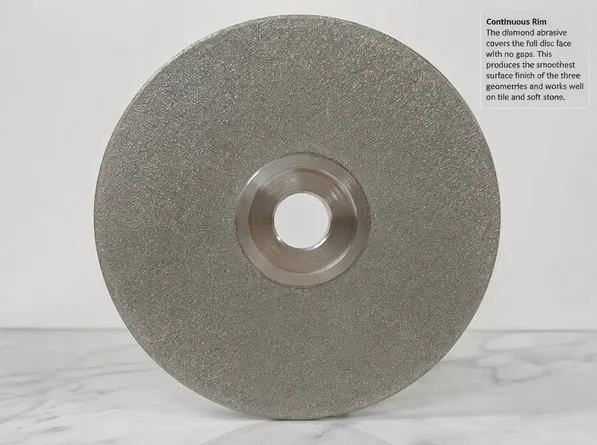
The diamond abrasive covers the full disc face with no gaps. This produces the smoothest surface finish of the three geometries and works well on tile and soft stone where chipping is a concern.
Best For
Resin-bonded discs at fine grit stages, tile, soft stone
Surface Finish
Trade-off
Continuous contact generates more heat — needs water cooling or periodic lift-off on dry grinding applications
Segmented Rim
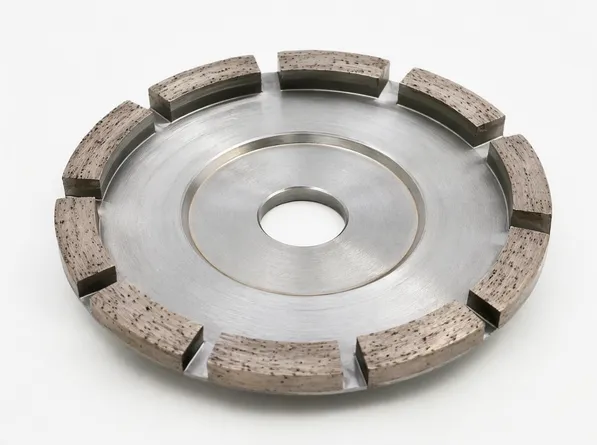
The abrasive is distributed in discrete segments with open gaps between them. The gaps serve two functions: chip clearance (grinding swarf exits instead of packing) and cooling (air circulation reduces heat buildup).
Best For
Metal-bonded, coarse-grit applications, aggressive stock removal
Chip Clearance
Trade-off
Surface finish is rougher than continuous — acceptable when the next step removes that scratch pattern
Turbo Segment
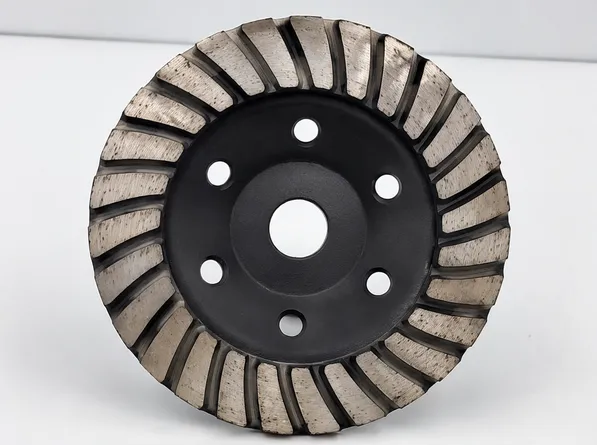
A diagonal or wavy segment pattern that combines some properties of both: better chip clearance than continuous, smoother finish than straight segments.
Best For
Mid-range grit metal-bonded (80/100–120/150), engineered quartz, harder concrete
Balance
Key Advantage
Balances removal rate and surface quality where buyers need both — particularly on engineered quartz and harder concrete
Geometry Comparison at a Glance
| Property | Continuous | Segmented | Turbo |
|---|---|---|---|
| Surface Finish | Smoothest | Roughest | Intermediate |
| Chip Clearance | Low | Highest | Good |
| Heat Management | Requires cooling | Self-cooling (air gaps) | Moderate |
| Typical Bond | Resin (fine grit) | Metal (coarse grit) | Metal (mid-range grit) |
| Target Material | Tile, soft stone | Concrete, stone leveling | Engineered quartz, harder concrete |
Where the Volume Is: Application Segments Worth Stocking For
Diamond grinding discs are consumable, high-turnover product — they don't sit in a warehouse for six months. Here's where the reliable reorder volume comes from:
Stone Countertop Fabrication
High Predictability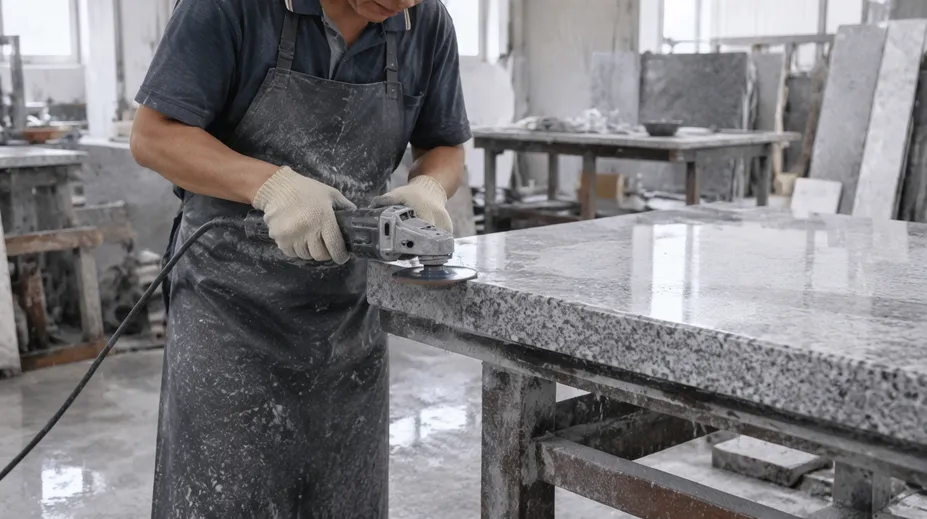
Shops processing granite, marble, and engineered quartz countertops run metal-bonded discs on their angle grinders daily for edge prep, surface leveling, and adhesive removal after templating.
Typical consumption: 30–60 discs per month across grit grades per shop at capacity
Once a shop settles on a disc that performs consistently, they reorder on a fixed cycle. For a distributor, fabrication shops are ideal accounts: predictable volume, low price sensitivity compared to construction supply, and professional buyers who understand quality differences.
Floor Grinding & Concrete Polishing
Growing Segment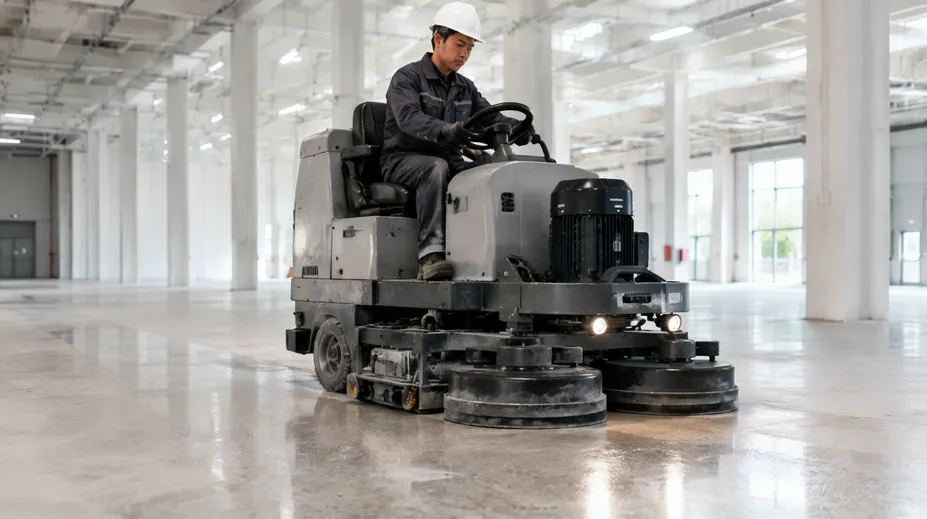
Commercial concrete polishing for retail spaces, warehouses, and public buildings is a growing segment in most markets. Contractors running 250 mm and 300 mm discs on ride-on floor grinders go through abrasives at high rates.
Per-project consumption: 15–30 discs per 500 m² floor depending on concrete condition and starting grit
These contractors buy from whoever can deliver within 24 hours; stocking the right SKUs in your warehouse is the entry ticket to this business.
Tile & Stone Installation Contractors
Cross-Sell OpportunitySurface prep before adhesive application, leveling high spots, removing old coatings. This segment operates in high volume in markets with active residential and commercial construction.
Primary grits: Coarse metal-bonded 30/40–80/100 — lower per-unit value but very high volume
Buyers often order from the same supplier who handles their saw blades. If you're already supplying installation contractors with diamond saw blades, grinding discs are a natural add-on SKU.
Construction Renovation & Restoration
Project-BasedConcrete surface preparation for epoxy coatings, removal of paint, mastic, and adhesive residue, grinding weld spatter and high spots in industrial facilities.
Buying pattern: Projects irregular but per-project disc consumption significant
Distributors serving construction supply channels move grinding discs in mixed grit packs — the buyer wants a one-stop pick rather than ordering 30/40, 80/100, and 200/400 from three sources.
Manufacturing: What Happens Between Raw Diamond and Finished Disc
Our grinding discs come out of the same sintering operation that produces our saw blade segments — same facility, same furnace technology, same quality controls. That alignment affects what you receive.
Diamond Selection for Grinding
Diamond selection for grinding applications is different from cutting applications. In a saw blade segment, you want diamond that initiates cracks and cleaves through stone. In a grinding disc, you want diamond that abrades progressively without catastrophic fracture — the crystal shape and toughness index are different specifications.
Toughness Index Specifications
- Metal-bonded stock removal discs: TI ≥ 60
- Fine-grit resin discs: Higher TI — crystal fracture would cause uneven scratch patterns
Pressing & Density Control
The pressing process for flat grinding discs requires uniform powder distribution across the full disc face — a defect that's easy to produce and hard to detect visually, but shows up immediately in uneven wear when the disc hits stone.
Process Controls
- Automated pressing with pre-weighed charges and controlled die fill
- Density checks on sintered discs by weight-per-volume measurement
- Off-spec density = disc pulled — won't wear evenly or perform to spec
Steel Body Flatness Tolerance
Steel body flatness is checked after pressing and again after sintering — thermal cycling can introduce warp in the body if the fixture isn't right.
Acceptable Flatness
0.1 mm per 100 mm Ø
Check Points
2× post-press + post-sinter
Beyond that tolerance, the disc rocks on the grinder flange and you get vibration, uneven contact, and poor surface finish. This is the kind of detail that generates customer complaints about "this batch feels different" — and we'd rather catch it here than hear about it from your downstream customers.
Lot Traceability
Every production batch carries a lot number traceable to raw material records, press parameters, and sintering logs.
Resolution Time
Within 1 day
Performance questions on any shipment traced back to full production records

Customization: What We Can Adjust and What Drives MOQ
Diameter, grit, bond type, segment geometry, arbor thread, and surface pattern are all configurable. Private label packaging is available on any order. Formula adjustment for specific stone types or concrete compositions is included in the OEM process, not charged separately.
Standard Configurations
Ships FasterOur production runs cover the most common diameter/grit/bond combinations as standing inventory. 125 mm and 180 mm metal-bonded discs in 30/40 through 200/400 grit are typically in stock or on a 2–3 week production cycle.
In stock or 2–3 weeks production cycle
Custom Configurations
Non-Standard SKUsNon-standard diameters, specialized segment geometries, or formula-adjusted bond for a specific material require a 4–6 week lead time and typically a minimum of 200–500 pieces per SKU.
4–6 weeks
200–500 pieces per SKU. Driven by powder batch size and press setup, not arbitrary policy. Trial runs: 200 pcs floor. Full container orders have no per-SKU minimum beyond what fills the container.
Private Label
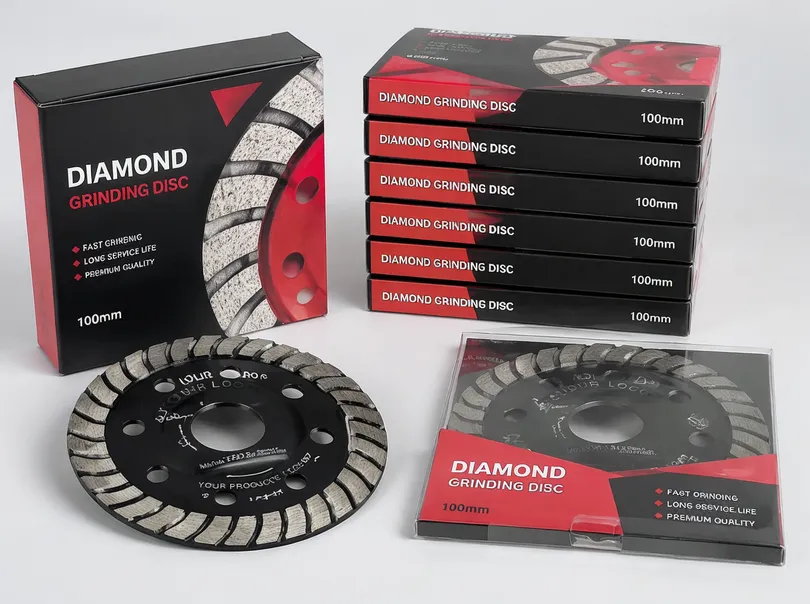
Your brand name, logo, and product code on each disc. Packaging artwork is your file; we print and pack to your specification. Add 1–2 weeks to any lead time for packaging production.
- Distributors in Southeast Asia, the Middle East, and Europe already running private-label grinding discs with us
- Straightforward process if you've done OEM with any Chinese manufacturer before
- Available on any order — no separate private-label minimum
What We Can't Do Economically Below Certain Volumes
Custom mold tooling for completely non-standard profiles (e.g., non-round or irregular mounting configurations) requires a tooling investment that only makes sense at 1,000+ pieces per run. If you're evaluating an unusual application, ask us first — we may have an existing profile that serves the same purpose.
Certifications and Import Compliance
Diamond grinding discs from CLSEG ship under the same certification documentation as our full product range.
ISO 9001:2015
Quality ManagementQuality management system, third-party audited annually.
CE Marking
European ConformityEuropean conformity for safety and performance requirements.
SGS Testing
Independent VerificationIndependent verification of material composition and mechanical performance.
MPA Certification
Abrasive Tool SafetyAbrasive tool safety certification, specifically relevant for diamond grinding tools entering European markets.
Why MPA Matters Most for EU-Bound Grinding Discs
The MPA certification satisfies the safety documentation that importers, distributors, and their downstream customers expect, and it prevents the customs and compliance delays that come with uncertified abrasive tools.
You can present MPA documentation to your buyers without arranging additional third-party testing after import.
Markets Outside Europe
Our SGS reports cover the material composition and performance data that most import authorities and end-buyer quality audits require.
We can provide test reports by lot number for shipments requiring traceability documentation.
Frequently Asked Questions
Technical answers to common buyer and fabricator questions about diamond grinding discs, grit sequencing, and substrate selection.
What grit sequence should I use for grinding granite countertop edges?
For granite edge grinding on angle grinders, a three-step metal-bonded sequence works well in most cases:
50/60 Grit
Remove the saw-cut surface and establish the edge profile. This is your shaping stage — aggressive stock removal sets the geometry.
120/150 Grit
Remove the coarser scratches and refine the shape. This intermediate stage bridges rough grinding and pre-polish.
200/400 Grit
Achieve the pre-polish surface. From 400, transition to resin-bonded polishing pads for the gloss stages.
Don't skip steps. The step intervals matter — skipping from 50/60 directly to 200/400 leaves deep scratches that take much longer to remove at the fine stage, and you end up spending more total time. Experienced fabricators don't skip steps even when they're in a hurry.
Diamond grinding disc vs. flap disc — which is better for stone surface prep?
For stone and concrete: diamond grinding discs. The difference is substantial in both performance and economics.
| Attribute | Diamond Grinding Disc | Flap Disc |
|---|---|---|
| Abrasive Type | Diamond (metal-bonded, 30/40–80/100 grit) | Aluminum oxide or zirconia on fibrous flaps |
| Material Removal Rate | Faster on hard stone and concrete | Wears quickly on hard substrates |
| Lifespan on Stone | Significantly longer | Short — burns through quickly |
| Flatness Control | Excellent — rigid bonded surface | Poor — flexible flaps conform unevenly |
| Scratch Pattern | Consistent, predictable for next steps | Inconsistent |
| Best Use on Masonry | Aggressive prep through fine finish | Very light surface scuffing before coating only |
Flap discs use aluminum oxide or zirconia abrasive on fibrous flaps — they work on steel and some softer materials, but on hard stone and concrete they wear out quickly and don't achieve the flatness control that diamond provides.
The only scenario where flap discs make sense on masonry is very light surface scuffing before coating — anything more aggressive and you're burning through flap discs and still not getting the flatness you need.
How do I know if a diamond grinding disc is glazed and needs to be dressed?
Two signs: the disc stops cutting effectively and requires noticeably more pressure, or you see a shiny, polished surface on the segment face rather than the dull grey-black appearance of exposed diamond.
Glazing means the bond matrix has stopped eroding and the diamond crystals are buried rather than cutting.
Dressing Procedure
Dress the disc by running it briefly on a dressing stone (silicon carbide block) or on a sacrificial piece of soft concrete — this removes a thin layer of the bond and re-exposes fresh diamond.
Dressing restores cut
The disc still has life in it. Continue normal operation.
Glazes again immediately
The bond is too hard for your stone type — that's a formula selection issue. The fix is a softer-bond disc, not more dressing.
What's the minimum order for diamond grinding discs?
Order minimums depend on configuration complexity:
| Configuration Type | MOQ per SKU |
|---|---|
| Standard configurations Common diameters, standard grit grades, M14 or 5/8"-11 arbor | 200 pcs |
| Custom configurations Non-standard diameter, formula-adjusted bond, specialized segment geometry | 300–500 pcs |
Private-label packaging can be added to any order above these minimums without changing the MOQ.
If you're building a trial order to test multiple SKUs before committing to full container volume, tell us your target mix — we can usually accommodate a sampler configuration that meets both your needs and our minimum batch sizes.
Can CLSEG match a diamond grinding disc I'm currently sourcing elsewhere?
Yes. Send us a sample disc and, if possible, a piece of the stone or concrete you're grinding with it. We'll measure the diameter, disc body thickness, segment geometry, and attachment thread, and run analysis on the bond composition. We'll produce test samples and send them for your approval before production.
From sample receipt to test pieces shipped, typical turnaround is 15–20 days. If the performance matches or improves on your current disc, we move to production.
If you'd prefer to specify rather than send a sample, a written spec sheet with diameter, grit, bond type, segment pattern, and target material is enough to get us started.
How are diamond grinding discs packaged for ocean freight?
Each disc is individually wrapped in foam or bubble wrap, then packed in compartmentalized cartons. For ocean freight, we add moisture-barrier poly bags inside the carton — the steel body and arbor thread are the vulnerable points, not the diamond segment itself.
Carton dimensions are optimized for standard pallet footprints to maximize container utilization. We include a packing list, inspection certificate, and relevant certification documents in each shipment.
If you have specific labeling or pallet requirements for your warehouse or customs process, specify them in your order and we'll pack to your spec.
Get the Right Disc for Your Application
Know Exactly What You Need?
If you know the diameter, grit, bond type, and quantity — send it through and we'll quote within 24 hours.
Send your diamond grinding disc inquiryBuilding a Disc Program for Distribution?
Tell us your target market and the primary applications your buyers run. We've helped distributors across Southeast Asia, the Middle East, Europe, and South America put together grinding tool lines — we know which configurations move and which sit on the shelf.
We'll help you select a starter SKU mix that actually sells.
Discuss Your Product LineSample Discs Available Before Production Commitment
Most new buyers test 3–5 discs on their own customers' equipment before placing their first container order, and we support that process.