The Real Sourcing Problem Behind "Diamond Cutting Disc Suppliers Australia"
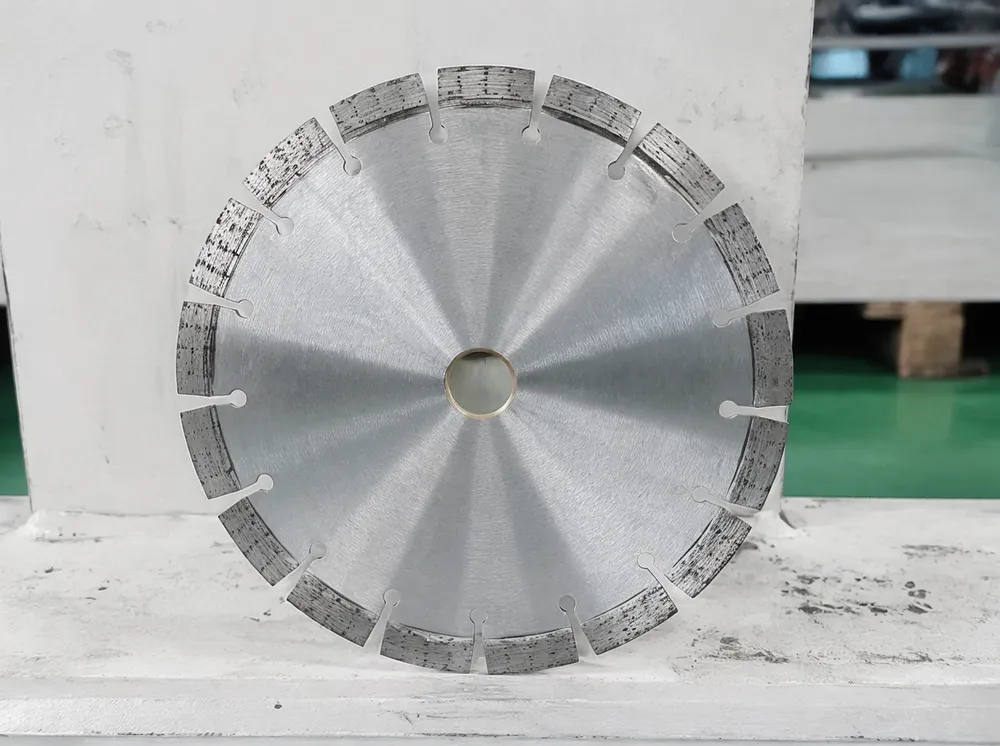
Search "diamond cutting disc suppliers australia" and you mostly get shopping carts. Product tiles, add-to-cart buttons, a filter for blade diameter. That's fine if you need two discs for a job on Thursday. It's the wrong tool entirely if you're buying to resell across a branch network, stock a store, or feed a stone-importing operation that cuts thousands of linear metres a month.
Here's the friction nobody on those pages talks about. Most diamond discs sold in Australia arrive through a distribution layer — an importer, then a national brand, then a retailer. Every layer prices in its margin, and by the time the disc reaches your invoice, you're paying for the chain, not just the steel and diamond. You also inherit whatever spec that chain decided to stock, which may or may not match the reinforced concrete or engineered stone your crews actually cut.
I run cutting disc applications and export QC at a factory that ships to contractors in more than 30 countries, and the pattern is the same everywhere: buyers overpay on landed cost and underthink spec, because the search results trained them to compare sticker prices instead of supply models. Per-cut cost tells the real story — not the number printed on the box.
So this isn't a popularity ranking. It's a sourcing framework. I'll group the 10 suppliers Australian construction buyers and stone importers actually compare into three supply models, show you how to evaluate any of them, then explain honestly where local buying wins and where a factory-direct route changes the math.
How Serious Buyers Vet a Diamond Blade Supplier
Before any list means anything, you need criteria. A diamond blade supplier australia buyers can trust at volume clears these checks, not just the price check:
- Certifications relevant to Australian construction safety. ISO 9001 for process control, plus product and safety marks like CE, SGS test reports, and MPA (the abrasive-tool safety certification European distributors demand). On an Australian site, a disc that shatters is a liability event, not a return — so certification is downstream risk protection for you and whoever you sell to.
- Bond-to-material fit. The metal bond holding the diamond has to match the stone. Get it wrong and you either burn segments in days or glaze the disc so it stops cutting. More on this below — it's the criterion most catalogs ignore entirely.
- MOQ flexibility. Can the supplier ship a trial quantity to test a market, then scale you to container volume without renegotiating the whole relationship? A rigid MOQ locks out importers who are still proving demand.
- Lead-time reliability and reorder consistency. The disc you test in month one has to perform identically in month six. Batch-to-batch drift is the silent killer of a resale line — your customer complains, you eat the return.
- Landed-cost transparency. Unit price is not delivered cost. Freight, duty, intermediary markup, and MOQ waste all hide in the gap. A supplier who can quote you landed and factory-gate side by side is doing you a favour.
| Criterion | Why it matters commercially | Question to ask the supplier |
|---|---|---|
| Certifications | Site safety, downstream liability | "Can you send current ISO / CE / MPA docs?" |
| Bond-to-material fit | Per-cut cost, segment life | "What bond do you run for reinforced concrete vs granite?" |
| MOQ flexibility | Market-test vs scale | "What's your trial MOQ, and your container MOQ?" |
| Lead time & reorder consistency | Resale reputation, no returns | "Is my month-six batch the same formula as month one?" |
| Landed-cost transparency | True margin | "Can you quote factory-gate and landed?" |
Run every supplier below through this. The ones that answer confidently are the ones worth a concrete cutting disc supplier australia relationship.
Matching Disc Bond and Spec to Australian Materials
This is where I spend most of my day, so let me be specific. Australian sites throw three hard problems at a diamond disc, and each needs a different spec.
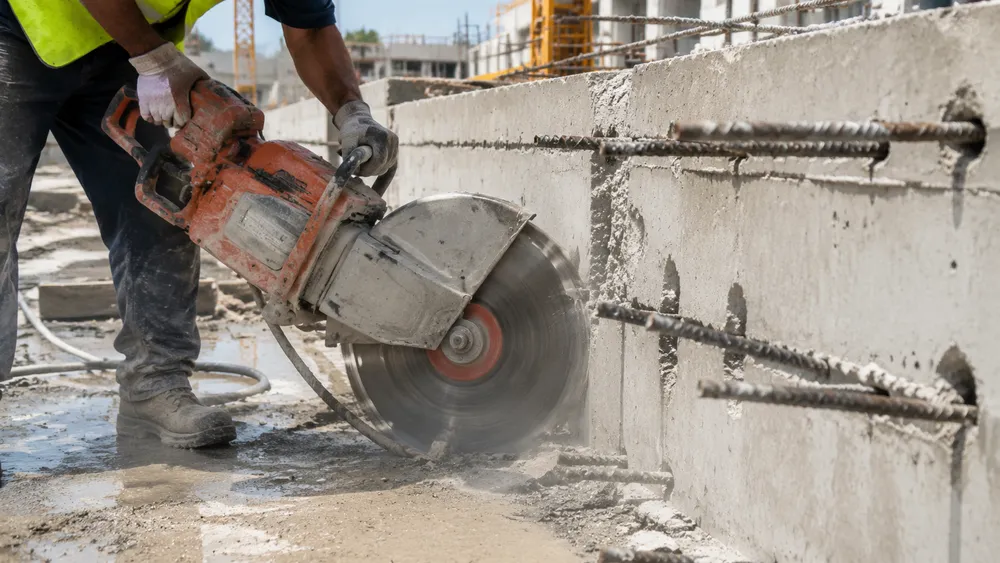
Reinforced concrete. Cured concrete is abrasive; the rebar inside it is hard steel. A disc bonded soft enough to expose diamond fast in the aggregate will lose segments the moment it hits rebar. We run a harder, tougher bond with a segment geometry that survives the steel interruption — you trade a little raw speed for segments that don't tear off. Spec this wrong and your per-cut cost triples on a job with heavy reo.
Granite. Granite is hard and dense, so the diamond dulls before it wears through the bond. Here you want a softer bond that erodes at the right rate to keep fresh diamond exposed. Push the feed rate too hard on the wrong bond and you glaze the surface — the disc stops cutting and starts rubbing. For stone importers cutting slab and kerb, this is the difference between a disc that lasts a full job and one you're binning by lunch.
Engineered and quartz stone. Benchtop material chips at the edge if the disc runs too aggressive. This is a finish problem as much as a cutting problem — a chipped edge is a rejected benchtop, and that's a warranty claim landing on your desk. We spec a finer, chip-controlled formula for this, closer to what you'd want for stone cutting disc importer australia work feeding the kitchen and bathroom trade.
The commercial point: a mismatched disc doesn't just cut slower. It converts into returns, warranty exposure, and a per-cut cost your competitor isn't paying. When you're screening suppliers, the ones who can talk bond in this much detail are the ones who actually make the product. If you want the full range of options mapped to material, our concrete cutting discs line is organised exactly this way.
The 10 Suppliers Australian Construction and Stone Importers Compare
There's no honest way to rank these 1 through 10 — they serve different jobs, and a "winner" would be theatre. So I've grouped them by supply model and evaluated each model against the criteria above. Read them as three routes to the same disc, priced and stocked differently.
Global manufacturers with Australian distribution. These carry brand depth, consistent spec, and trust, but you're buying through a distribution layer that prices in its own margin.
- Husqvarna Construction Products (husqvarnacp.com) — a major concrete-cutting blade and equipment brand with an established Australian construction presence. Strong for standardised concrete work and equipment-matched blades.
- Tyrolit (tyrolit.com) — a European bonded-abrasive and diamond-tool manufacturer with an Australian sales arm. Broad range, good technical documentation.
- Norton / Saint-Gobain Abrasives (nortonabrasives.com.au) — a long-standing abrasives and diamond-blade line sold widely across the Australian trade.
- Bosch Professional (bosch-professional.com.au) — diamond cutting discs distributed through the national Australian trade channel, matched to their power-tool ecosystem.
- Makita (makita.com.au) — diamond blade accessories through a national Australian dealer network, convenient where you already run their tools.
Specialist Australian brands and stone-trade distributors. Closer to the local trade, often with stone-industry focus, but still sourcing product rather than making it.
- DTA Australia (dta.com.au) — an Australian tiling and diamond-blade supplier to the trade, with a stock focus on tile and stone work.
- OX Tools (ox-group.com) — a construction-consumables brand carrying diamond blades, active in the Australian market.
- Diarex (diarex.com.au) — a supplier of diamond tooling to the Australian stone and benchtop trade, relevant if you're importing stone-cutting consumables specifically.
National trade retailers. Fast availability and the widest brand breadth, but retail pricing and no factory-direct route.
- Sydney Tools (sydneytools.com.au) — a large Australian trade retailer stocking multiple diamond-disc brands across many branches.
- Total Tools (totaltools.com.au) — a national trade retail network carrying diamond blades from several manufacturers.
| Supply model | Local stock | Brand depth | Pricing layer | Fit for wholesale |
|---|---|---|---|---|
| Global mfr via AU distribution | Good | High | Distributor margin | Moderate |
| Specialist AU brand / distributor | Good | Medium | Import + brand margin | Moderate |
| National trade retailer | Excellent | Broad (multi-brand) | Retail | Low |
Every one of these is a legitimate supplier. The question is which model fits your order profile — and for that, you need to see honestly where local supply earns its price. (Verify current details on each company's official site before you commit an order; distribution arrangements and ranges change.)
Where Buying Local Is the Right Call
Let me be straight, because a sourcing guide that pretends local supply is always the wrong answer isn't worth reading. A local diamond blade supplier australia wins outright in several situations, and if you're in one of them, buy local.
Speed is the big one. When a disc fails mid-shift and the pour won't wait, a branch that ships same-day or has stock on the shelf across town saves you more than any unit-price saving could. Emergency replacement, small top-up orders, and jobs where a day of downtime costs more than a box of discs — local wins every time. You also get warehousing you don't have to fund, familiar communication in your timezone, and someone to call when something's wrong. For urgent, low-volume, or unpredictable demand, that convenience is worth paying for. Nobody imports a single pallet to save a few dollars and waits six weeks for it.
Where Local Convenience Quietly Costs You Margin
The trade-off shows up when the orders get big and repeat. That's where diamond cutting disc wholesale australia buyers start leaving money on the table without noticing.
Every distribution layer prices in margin, and imported discs usually pass through two or three before they reach you. You're paying the importer, the brand, and the retailer for a disc that left a factory at a fraction of the shelf price. On a one-off order that's invisible. On 40,000 discs a year it's a line item bigger than most people's freight budget.
You also inherit spec lock-in. A distributor stocks what sells across everyone, not what's optimal for your reinforced concrete or your granite slab. So you buy a general-purpose disc and pay for the segments you burn on the wrong bond — the exact per-cut cost problem from earlier, now baked into your cost of goods.
Then there's reorder drift. A re-badged disc can quietly change factory or formula between batches, and the first you hear of it is a customer complaint. When you don't control the source, you don't control the consistency. None of this makes local supply bad — it makes it expensive at volume, which is a different problem with a different answer.
The Factory-Direct Route for Volume and Import Buyers
Once your demand is repeatable, bulk diamond cutting discs australia factory direct stops being exotic and starts being arithmetic. This is where a manufacturer like us fits — not as an 11th name on a local list, but as a different supply model.
We operate factory-direct with independent export rights, so there's no trading company between you and the people who control the formula. That removes an entire markup layer from your Australian landed cost, and it means when you need an adjustment — different diamond concentration for your granite, a modified segment for heavy reo, private-label packaging for your brand — the answer is a conversation, not a chain of forwarded emails.
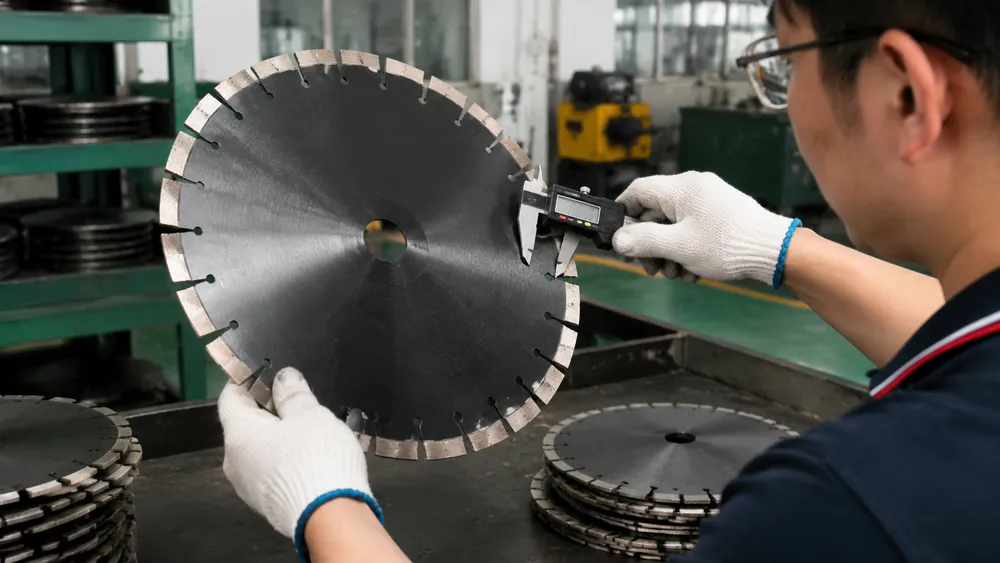
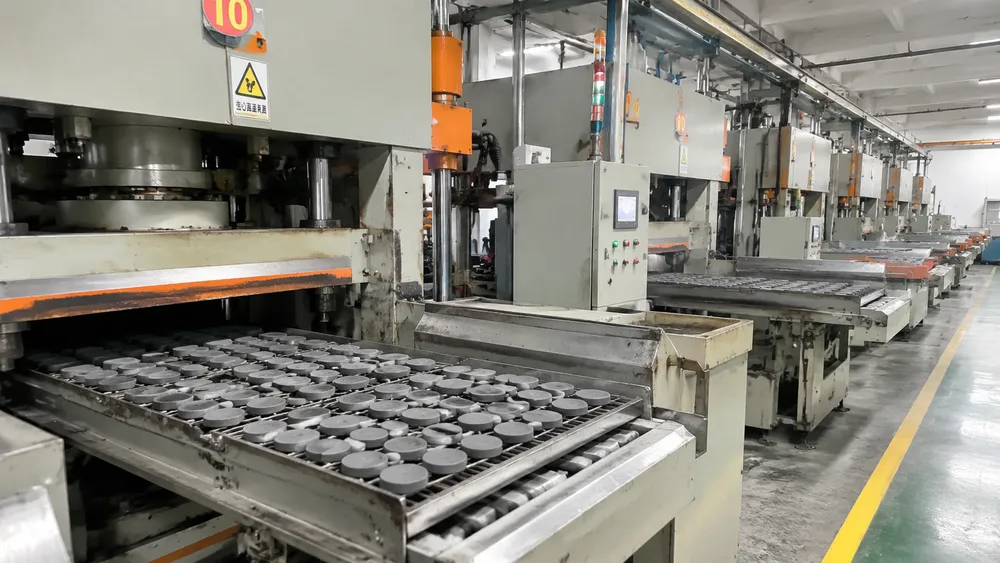
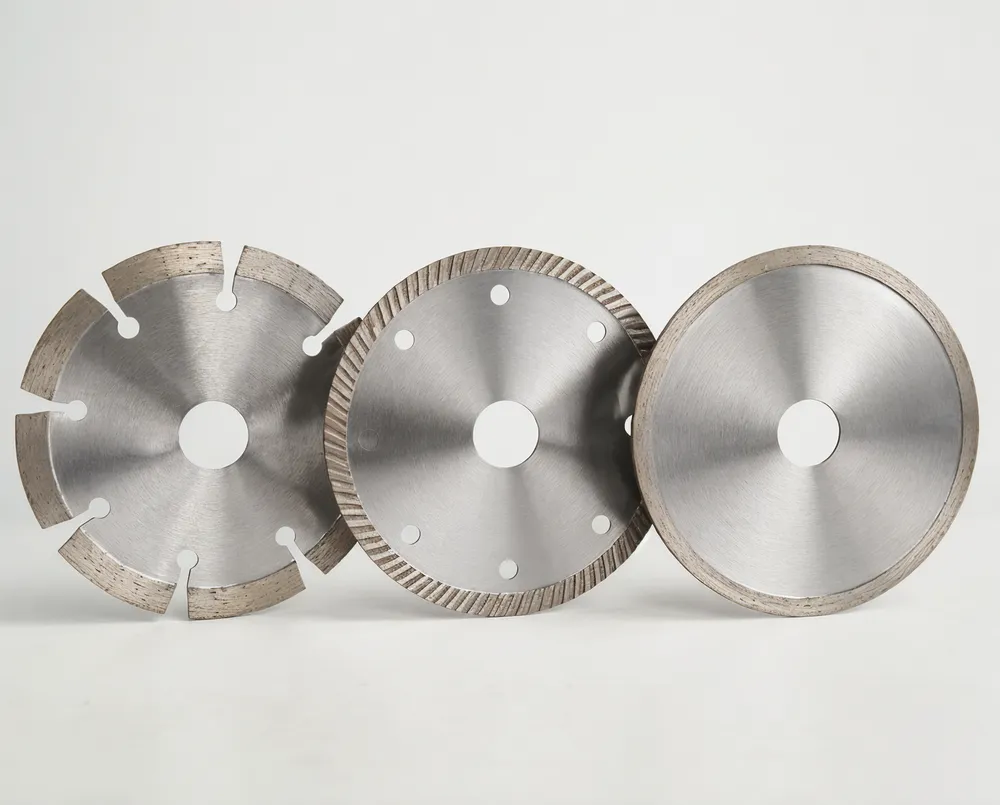
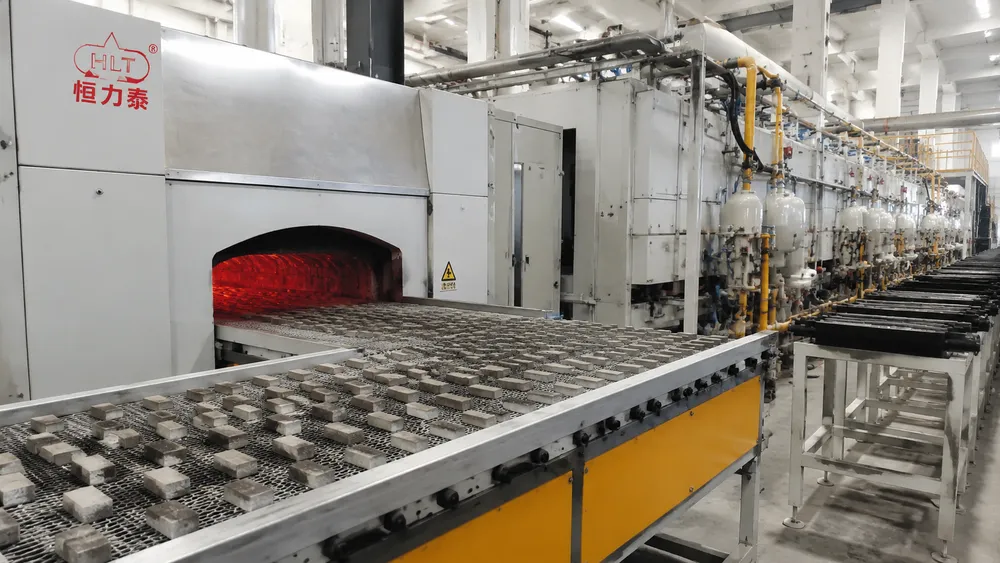
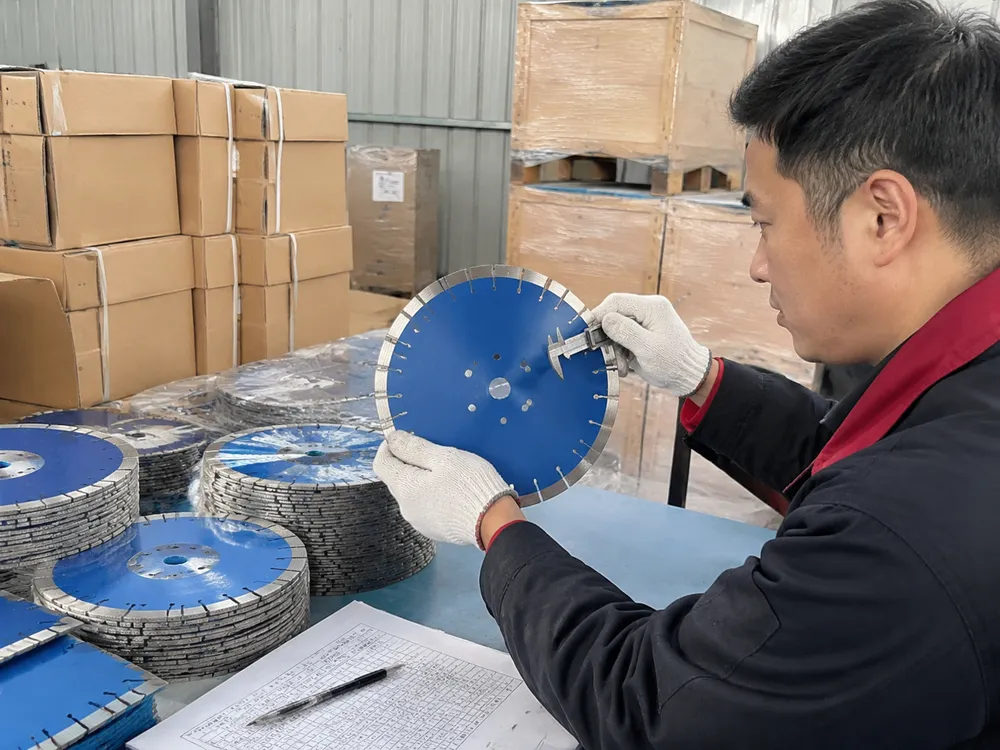
Formula control is the part that matters most for a resale line. We develop and own our diamond bond formulas, backed by 60+ patents, and we run fully automatic sintering with consistent temperature and pressure curves across every cycle. So the disc you approve in your first trial performs the same in your sixth reorder — the batch-to-batch consistency that kills returns. Our range runs from 105 mm cutting discs to 3200 mm segments under one roof, so you consolidate a scattered supplier list into one relationship and one set of paperwork. We already hold ISO 9001:2015, CE, SGS, and MPA, so your compliance team isn't chasing documents when you sell into regulated construction work. And with 8 automated lines producing 3,000,000 pieces a year, your reorders don't queue behind someone else's — the lead-time surprise that wrecks a stock plan doesn't happen. If you're a stone cutting disc importer australia testing a formula, our OEM/ODM workflow and flexible MOQ let you start with a trial and scale to containers without restarting the relationship.
If you want to see the full spec range before you scope a trial, our Diamond Cutting Discs category lays out the options by application.

Choosing Your Sourcing Route by Order Profile
So how do you actually decide? It comes down to order size, urgency, and how much spec control you need. Here's how I'd map it if I were on your side of the invoice — which is really the answer to how to choose a diamond cutting disc supplier in australia:
- Urgent, low-volume, or emergency replacement → buy local. A retailer or distributor with stock on the shelf beats any unit saving when downtime is the real cost.
- Repeat-volume procurement → go factory-direct. Once you're reordering the same disc predictably, the removed markup layer and reorder consistency outweigh the convenience of local stock.
- Cost-sensitive bidding → prioritise landed-cost transparency. Get factory-gate and landed quotes side by side so you're bidding on true cost, not shelf price.
- Quality-critical or spec-sensitive projects → prioritise formula control and certification. When a wrong bond means returns or a safety failure, buy from whoever controls the formula and holds the documents.
Most serious operations end up running both: local for the urgent gaps, factory-direct for the volume base load. If your demand is predictable enough to plan around, it's worth putting real numbers against a factory-direct quote — send disc grade, diameter, target material, and annual volume, and the comparison makes itself. You can start that conversation through our Contact Us page whenever you're ready to price it properly.
Diamond Cutting Disc Sourcing — Questions Buyers Ask
What certifications should a diamond cutting disc supplier hold for Australian construction sites? Look for ISO 9001:2015 for process control, plus product-level evidence — CE marking, SGS test reports, and MPA safety certification for abrasive tools. MPA in particular tests that the disc won't fail catastrophically at operating RPM, which is the risk that turns into a liability event on site. Ask for current copies; a supplier who can send them same-day is one who actually holds them.
Is factory-direct cheaper than buying diamond discs from an Australian distributor? It depends on volume. On small or one-off orders, local distribution usually wins once you account for freight, duty, and MOQ waste. On repeat container-scale volume, removing the importer and brand markup layers typically lowers landed cost meaningfully — but the honest answer is to get both quotes and compare landed to landed, not shelf price to factory gate.
Which diamond disc bond is best for reinforced concrete versus granite? Reinforced concrete wants a harder, tougher bond that survives rebar without shedding segments. Granite wants a softer bond that erodes fast enough to keep fresh diamond exposed, since the diamond dulls before the bond does. Running one general-purpose disc across both is the most common way buyers inflate their per-cut cost.
What MOQ should an importer expect for factory-direct diamond discs? It varies by supplier, but a manufacturer set up for export should offer a trial MOQ that lets you test a formula in your market before you commit to container volume. If a supplier can only sell you a full container on the first order, they're not built for importers testing demand.
How do I keep disc performance consistent across reorders? Buy from whoever controls the formula and runs automated, repeatable production — automatic sintering with consistent temperature and pressure curves is what holds segment density steady batch to batch. Re-badged discs that change source between orders are where reorder drift creeps in, so ask directly whether your later batches come off the same line and formula as your first.